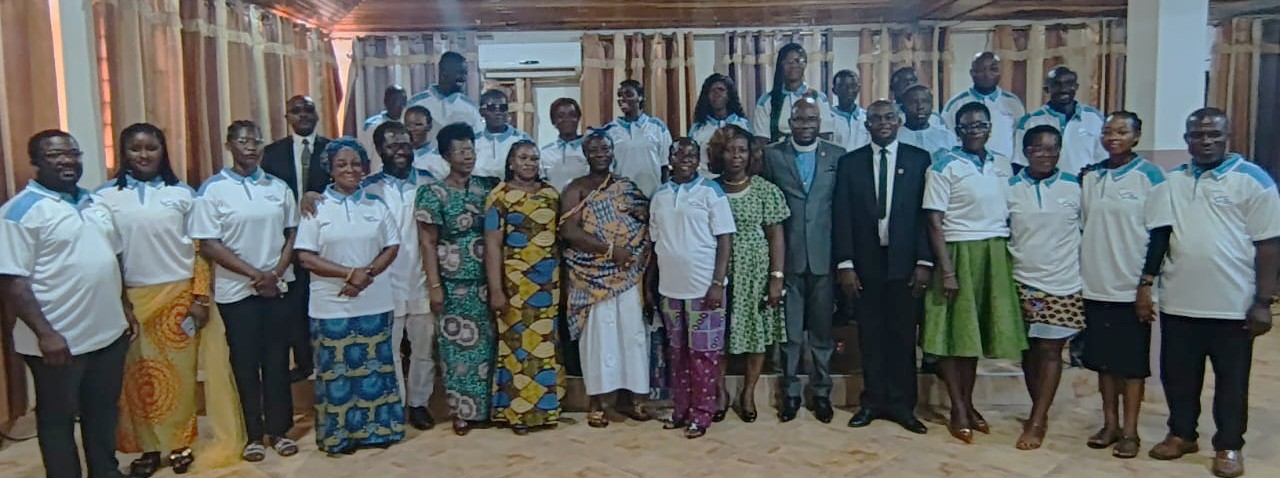
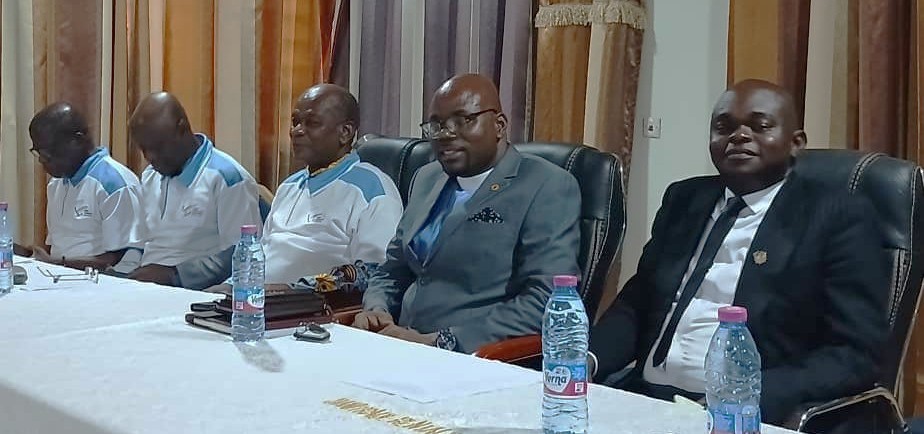
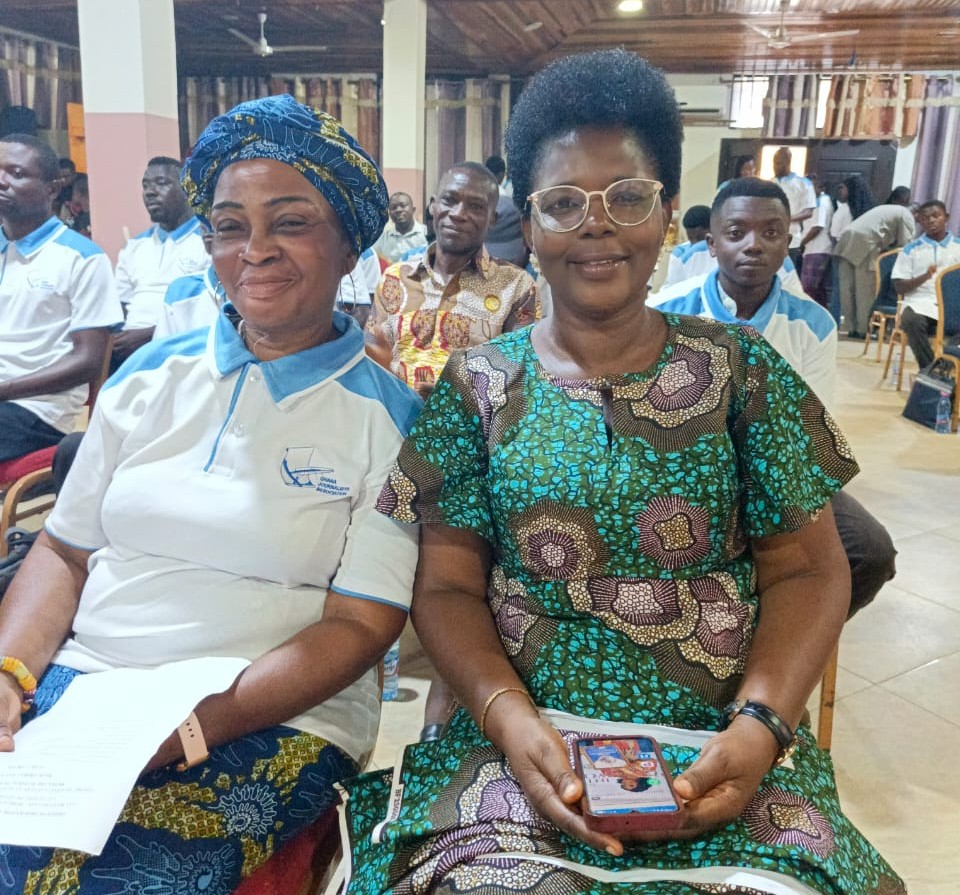
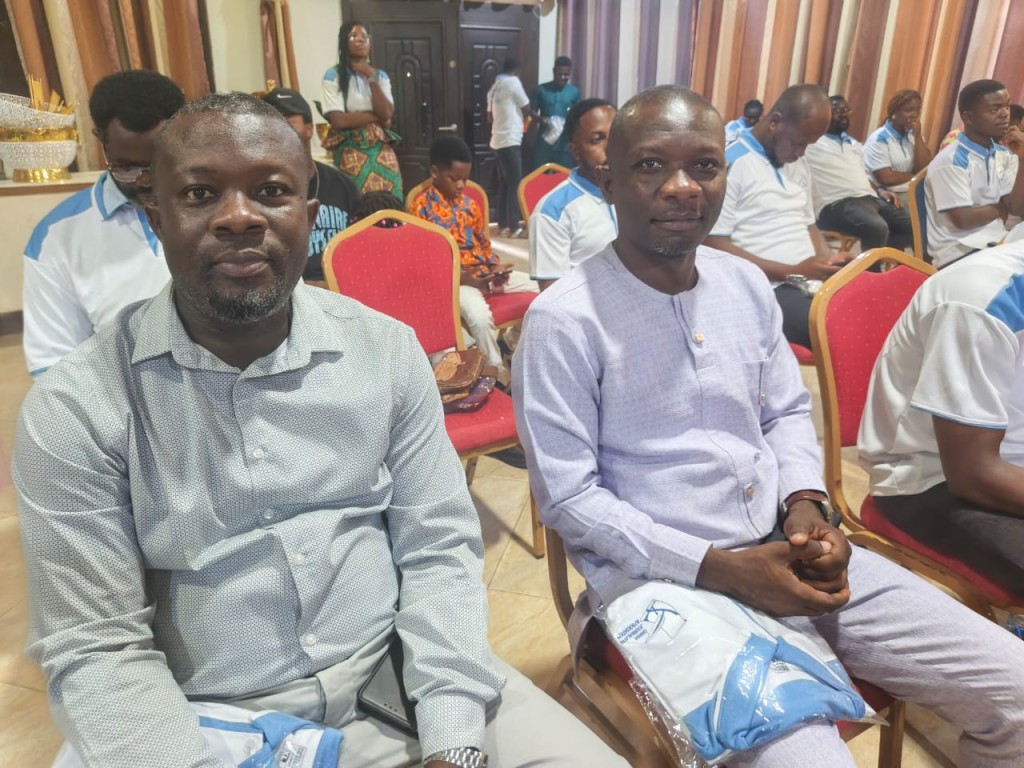
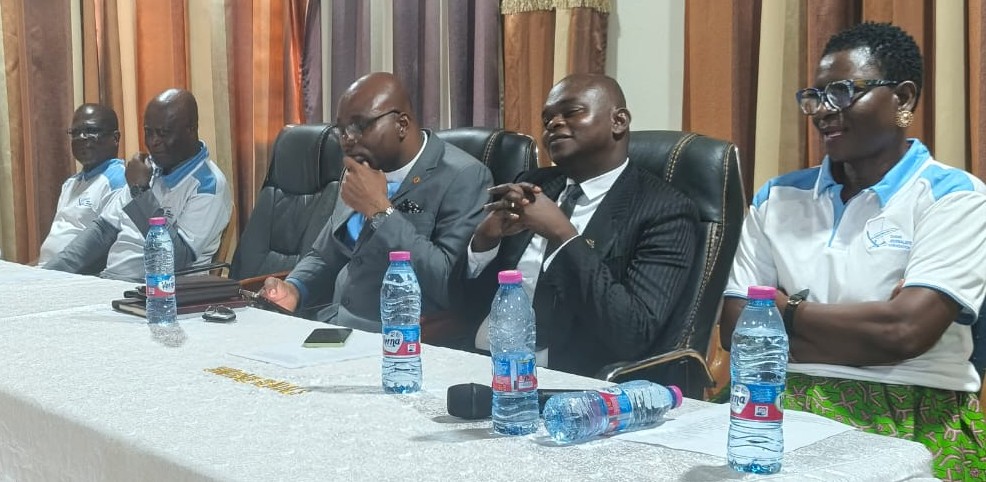
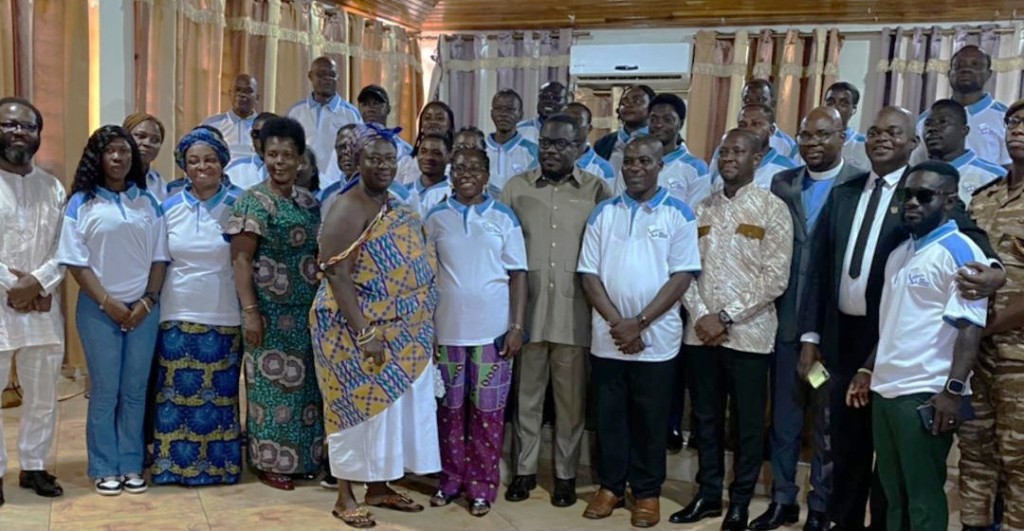
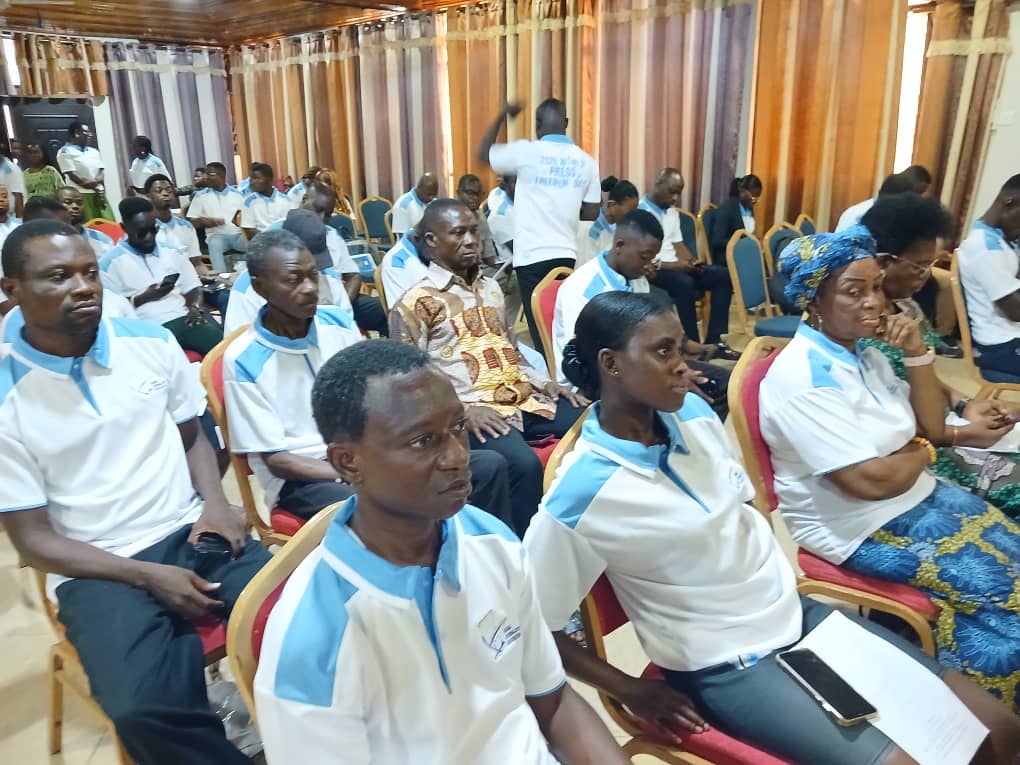
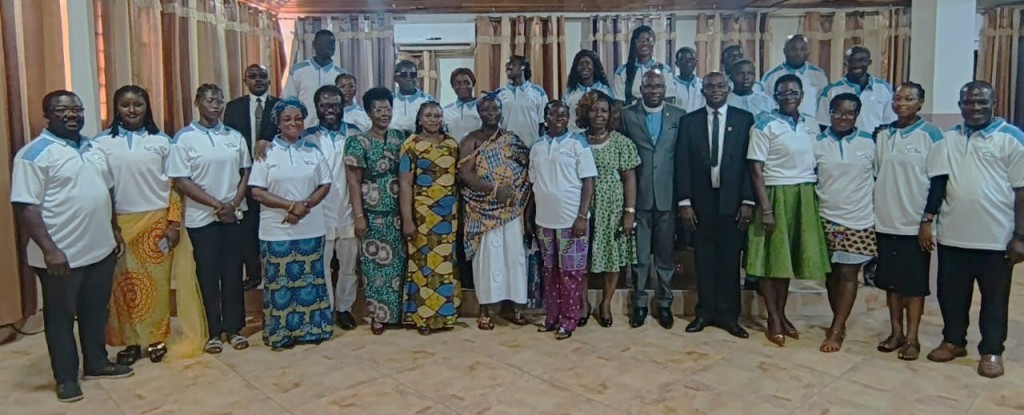
Journalists and a cross-section of media practitioners in Bono and the Ahafo Regions have marked the World Press Freedom Day at a colourful ceremony in Sunyani under the theme: “shaping a future at peace – the role of the youth and the media in building peaceful cities.”
As part of the event, health personnel from the Sunyani Teaching Hospital conducted free medical screening for participants, including some regional heads of departments and representatives of various institutions and organisations. The team checked attendees’ blood pressure and blood sugar levels and offered medical advice based on their health conditions and test results.
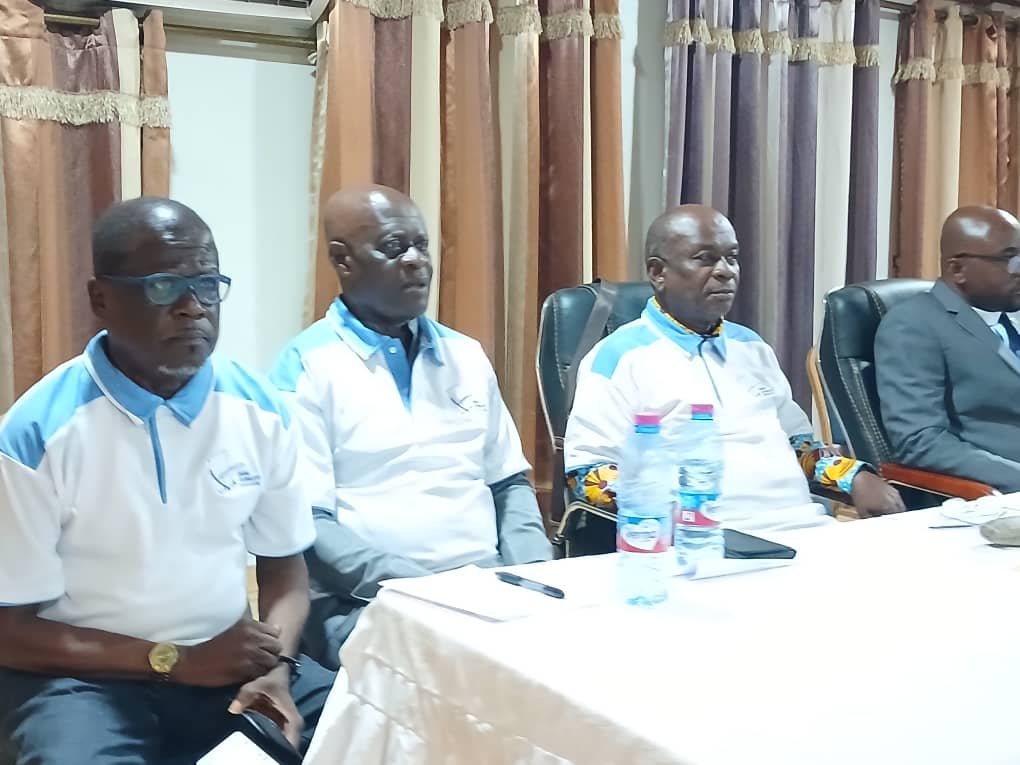
The event also witnessed the official launch of this year’s Regional GJA Awards programme.
Suppression of freedom of speech
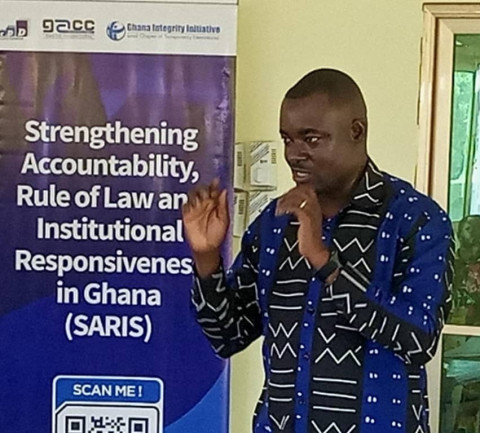
Addressing the programme, a former Deputy Attorney-General, Alfred Tuah-Yeboah, expressed his misgivings about the application of Section 208 of the Criminal and Other Offences Act, 1960 (Act 29) and Section 76 of the Electronic Communications Act, 2008 (Act 775) by political actors against the citizenry and tasked the Ghana Journalists Association (GJA) to spearhead a national campaign for the repeal of these laws.
In his opinion, the two provisions, though originally intended to preserve public order, had over the years been “abused beyond imagination” by politicians and state actors.
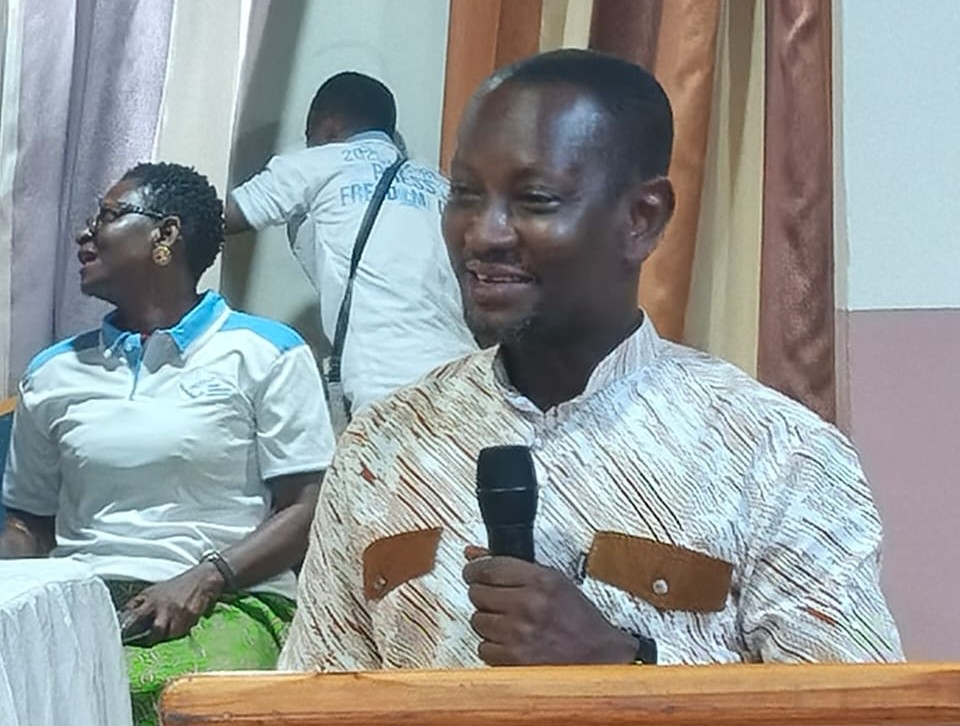
Mr. Tuah-Yeboah argued that while Ghana’s pursuit of peaceful communities was important, it should never come at the expense of freedom of speech and media independence.
“There is the propensity and indeed examples can be cited from other jurisdictions to show that peaceful cities are attained where free speech is largely controlled by legislation,” he cautioned. “This mindset regrettably has found space in Ghana.”
He urged journalists, civil society groups and citizens to resist attempts to weaponise the laws against dissenting voices, saying: “The media and indeed all of us must put on our militia armour and with our pens and mouths as our sword, wage a relentless holy war against the wanton abuse irrespective of who is involved,” he declared to applause from sections of the audience.”
The former deputy attorney-general stressed that the misuse of such laws could itself become a source of insecurity and social tension, undermining the very peace they were meant to protect.
Tolerance
Beyond the legal concerns, Mr. Tuah-Yeboah used the occasion to highlight the growing influence of young people and the media in peacebuilding efforts across Ghana. He praised youth groups for championing tolerance during elections and helping to prevent violence in communities prone to conflict, particularly in parts of northern Ghana.
According to him, Ghana’s media landscape has also played a crucial stabilising role during periods of national tension by promoting fact-checking, peace campaigns and balanced reportage.
“In Ghana, the media has played a significant role in maintaining peace, especially during elections,” he noted, adding that many citizens increasingly turn to the media first when their rights or livelihoods are threatened because of the speed with which journalists amplify public concerns.
Social media
However, he warned that the rise of social media and digital platforms had intensified the spread of misinformation, hate speech and divisive narratives capable of fuelling conflict if left unchecked.
He therefore called for stronger digital literacy among citizens, especially the youth, and urged media practitioners to remain committed to truth, fairness and responsible journalism.
“Young people must continue to rise as ambassadors of peace who choose dialogue over conflict, and unity over division,” he said.
Mr Tuah-Yeboah ended his address with a passionate appeal for collective action in building peaceful and democratic societies, quoting American peace advocate Paul Chappell to encourage both journalists and the youth to become “soldiers of peace” capable of transforming society through dialogue and understanding.
Supportive environment for young reporters
The Bono Regional Chairperson of the Ghana Journalists Association, Regina Benneh-Siaw, called on journalists, political actors and media owners to create a safer and more supportive environment for young reporters, insisting that the media remains central to building peaceful communities and safeguarding democracy.
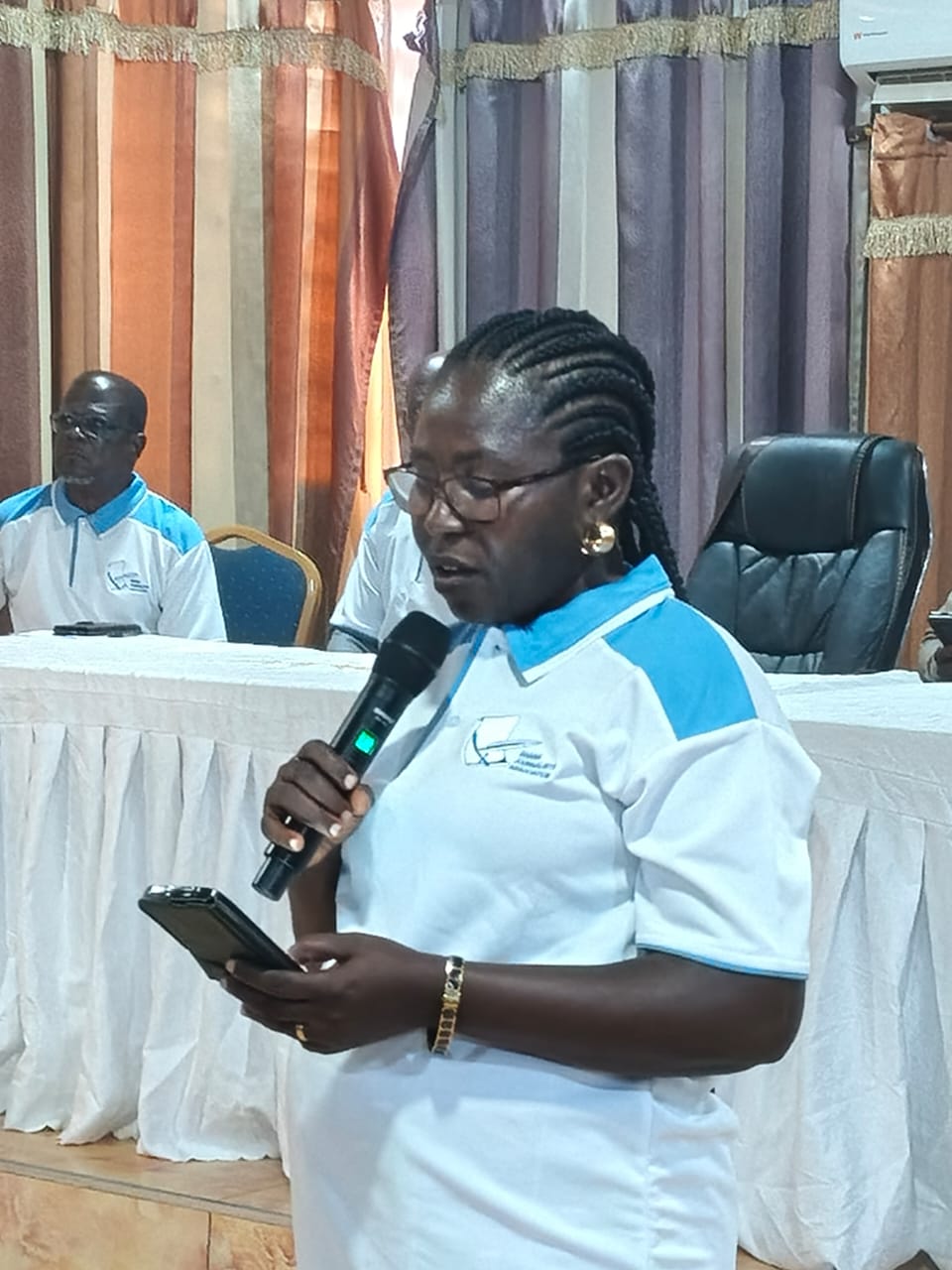
She was emphatic that: “Without press freedom, there is no democracy. Without the safety of journalists, there is no truth. And without truth, there can be no peace.”
She praised young people who use social media platforms such as TikTok and community radio stations to challenge hate speech and promote tolerance, describing them as active contributors to peacebuilding efforts in society.
Sensitive issues
Madam Benneh-Siaw also highlighted the role of journalists in managing sensitive issues, particularly chieftaincy disputes, saying fair and ethical reportage could help ease tensions rather than inflame them.
“When journalists report fairly on chieftaincy issues instead of inflaming tensions, they are building peace,” she said, adding that media practitioners who hold leaders accountable “without fear or favour” were helping to create societies where dialogue triumphs over conflict.
She, however, cautioned that neither the youth nor the media could sustain peaceful communities without institutional and political support.
Safety of journalists
The Bono Regional GJA Chairperson called for improved safety for journalists, better access to information and stronger mentorship structures within media houses to nurture young reporters instead of exploiting them.
She further urged politicians to stop viewing the media as adversaries and rather see journalists as partners in national development.
“We need newsroom leaders who mentor young reporters instead of exploiting them. We need political actors who see the press as partners in development, not enemies of convenience,” she stressed.
Capacity building
Madam Benneh-Siaw explained that the regional World Press Freedom Day celebration was not only meant to commemorate the occasion but also to strengthen the capacity of emerging journalists through training and mentorship.
She urged journalists to recommit themselves to ethical and responsible reporting by prioritising accuracy, verification and professionalism in their work.
“Let us pledge to tell stories that heal, not harm. To verify before we amplify. To protect our sources and protect each other,” she said.
For his part, the Bono Regional Minister, Joseph Addae Akwaboah, acknowledged the critical role of the media in nation building and reaffirmed government’s commitment at upholding the freedom of the media.
2026 Regional GJA Awards
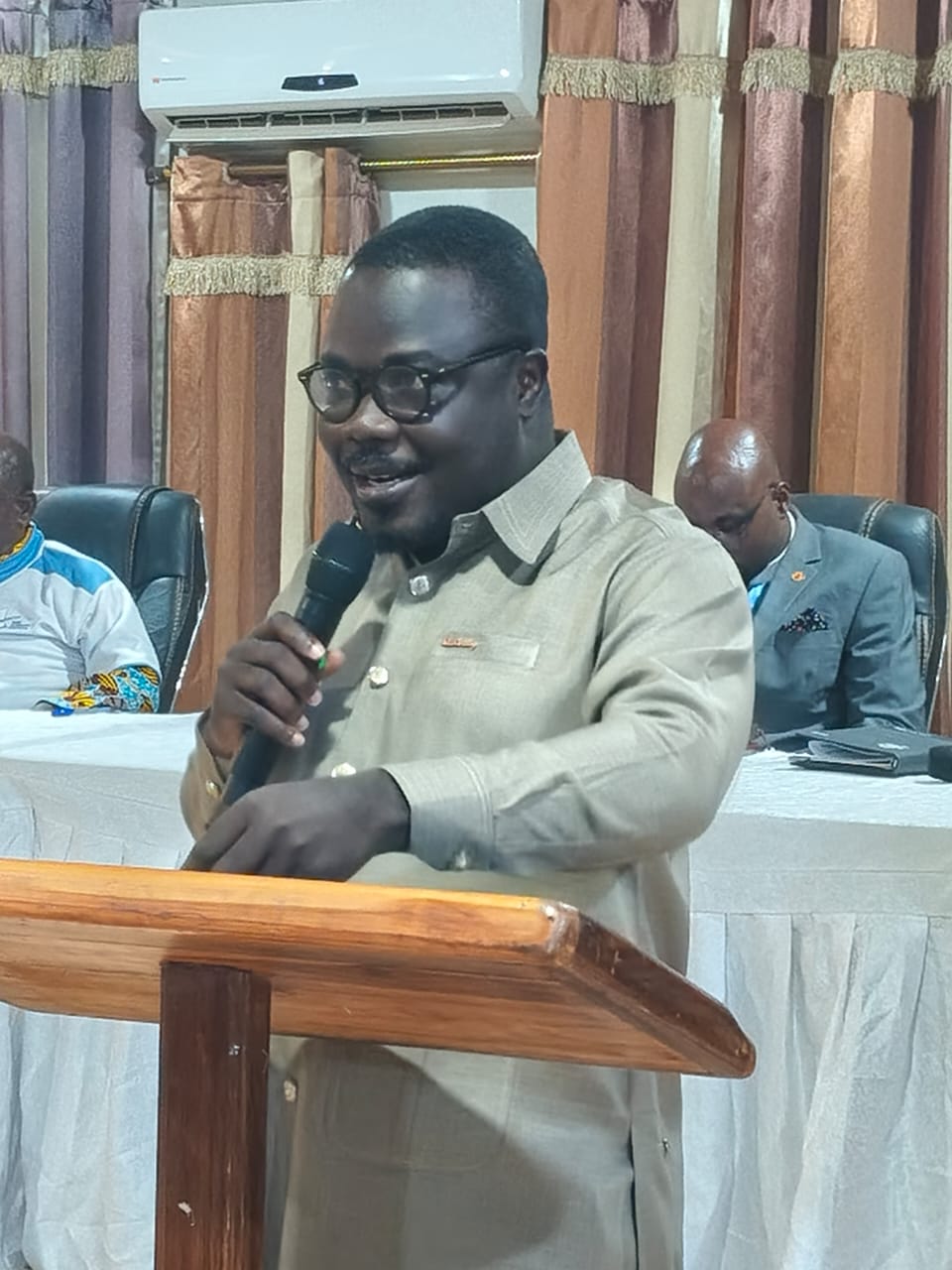
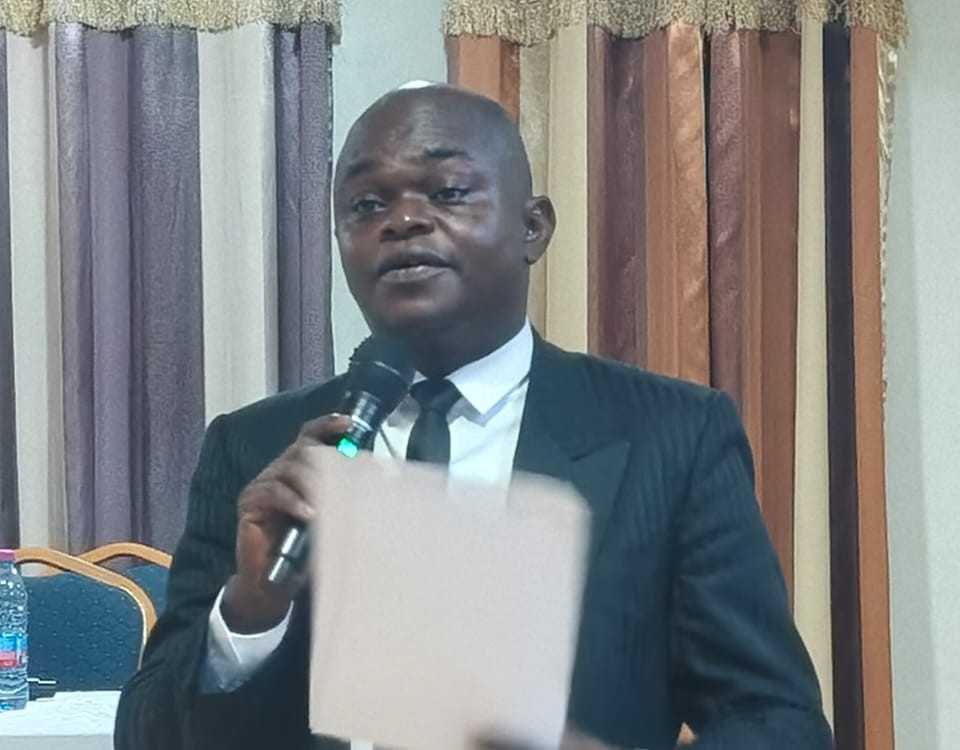
Launching this year’s Bono Regional GJA Awards, the Chairman of the Awards Committee, Leonard Victor Amengor, stated that all reports entered for consideration must be about the Bono Region or must have originated from the region.
He emphasized that all entries should have been published in the print media (newspapers, magazines, etc.), electronic media (radio and television), or online in 2025.
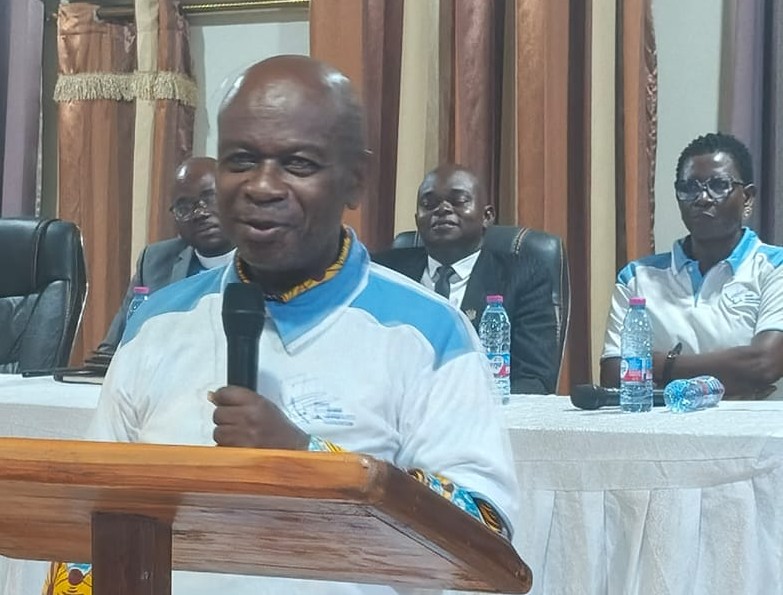
Mr. Amengor further stated that for every category entered, applicants must submit three different reports in the same category, with three hard copies of each entry. Electronic and online entries are to be submitted via email or WhatsApp.
“Submission of entries starts on Monday, May 11, and ends on Friday, June 12, 2026,” he stated.
Award categories
He listed the award categories as Best Health and Medical Report, Best Political Report, Best Business and Financial Report, Best Sports Report, Best Court/Crime Report, Best Investigative Report, Best Developmental Report, Best Socio-economic Report, Best Culture and Tradition Report, Best Tourism Report, Best Morning/Afternoon Show Programme, Best Education and Academic-oriented Report, and Best Feature/Documentary Piece.
The other categories are Best Entertainment and Recreational Report, Best Agricultural, Food and Environmental Report (Agro and Environment Report), Best Report on Telecommunication-related Matters, Best Report on Roads and Transportation, Best Climate Change/Environmental Report (Green Economy and Resilient Livelihood), Best Children’s Welfare Report, and the Overall Best Journalist Award.
The Very Rev. Dr. Solomon Kwasi Bruce, Superintendent Minister of the Sunyani Circuit of the Methodist Church Ghana, who presided over the occasion, implored journalists to demonstrate the highest level of professionalism in the discharge of their duties.
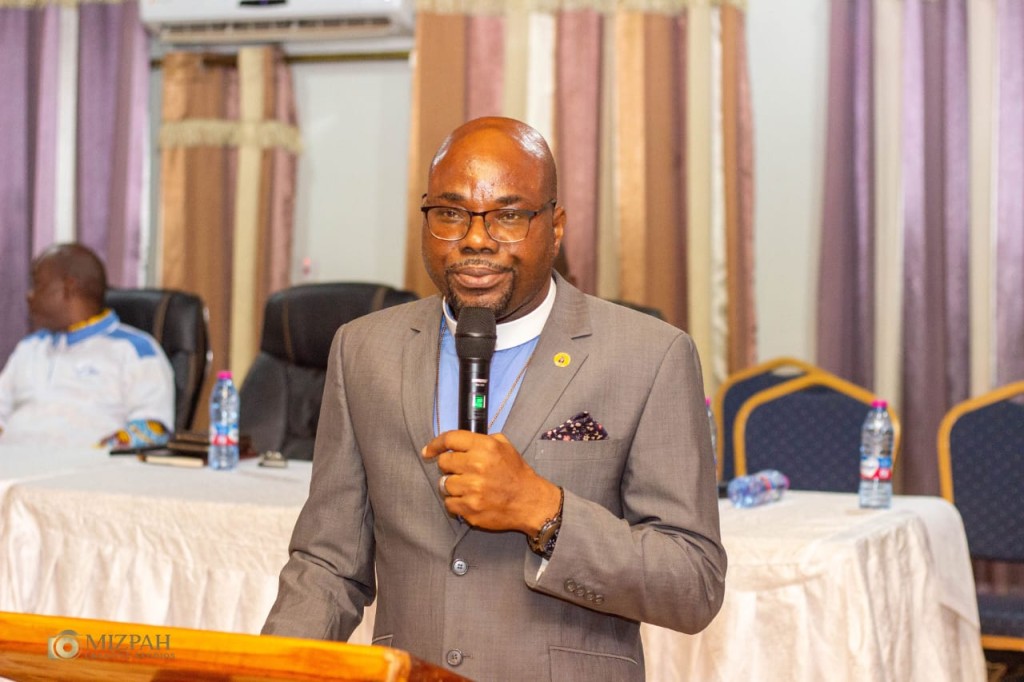
Media training & awards
A refresher training session held as part of the event featured veteran journalists – Leonard Victor Amengor, Charles Koomson, Fiifi Ofosu-Okyere and Emmanuel Adu-Gyamera – who took participants through key areas of journalism requiring greater attention from practitioners.
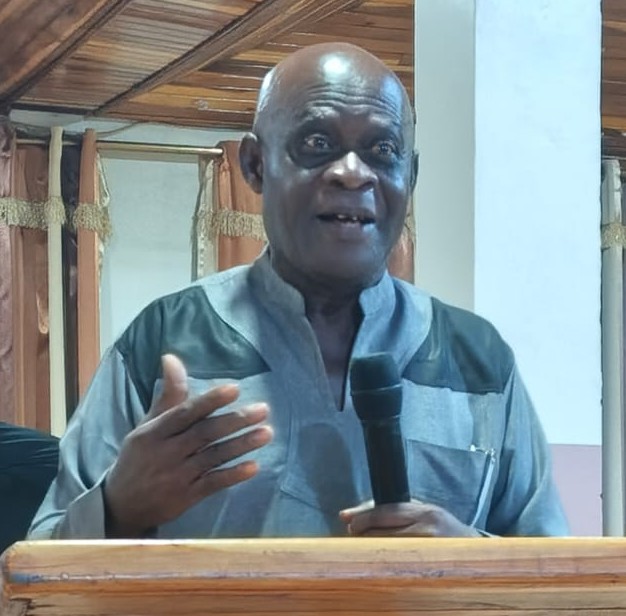
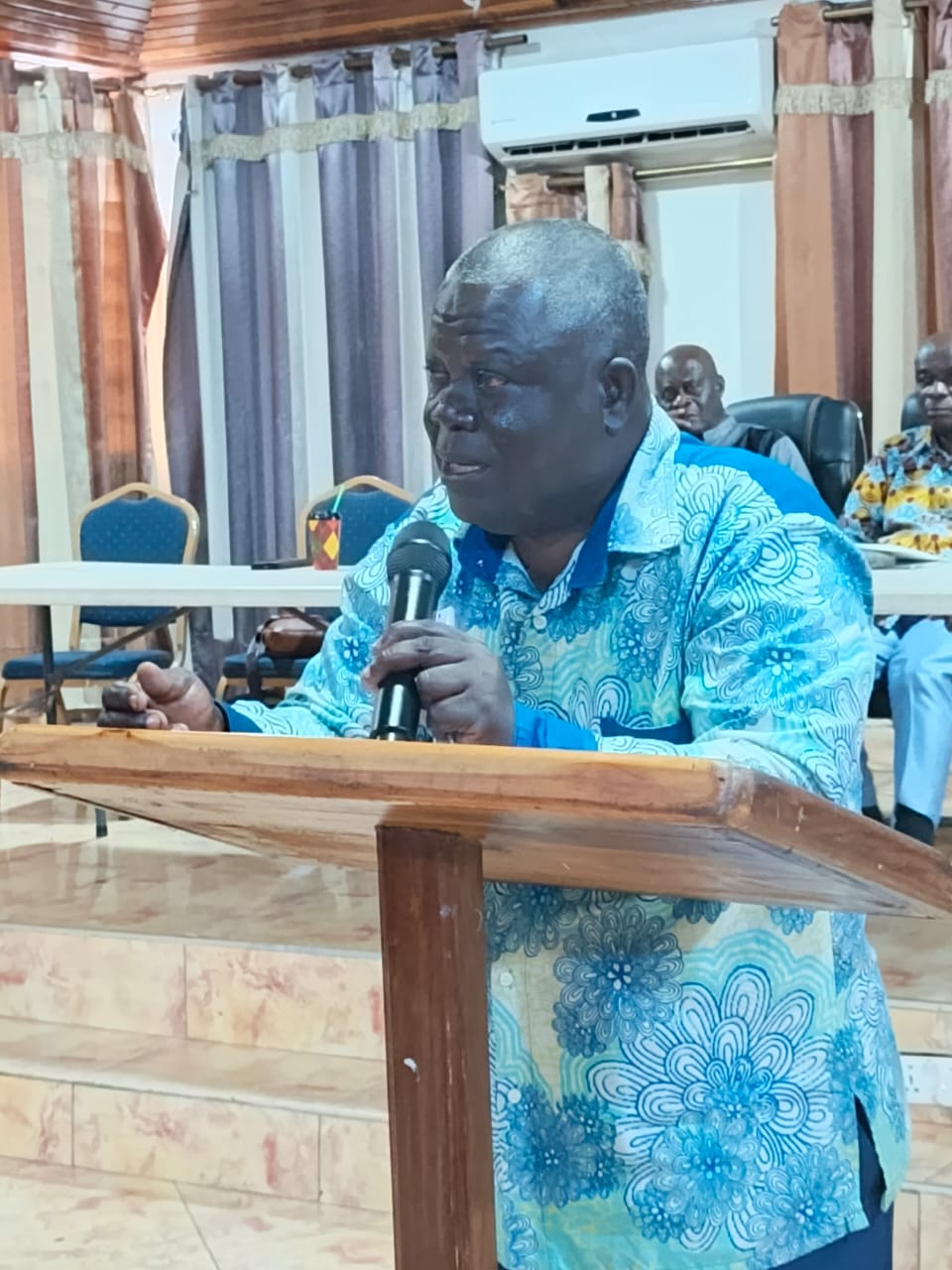
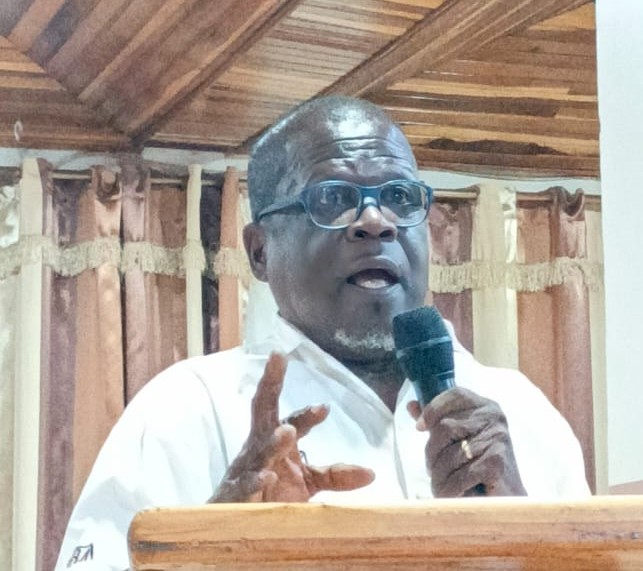
The facilitators focused on news gathering, interviewing techniques and on-air presentation skills, stressing their importance for professional excellence and success in the GJA awards scheme.
Sponsors
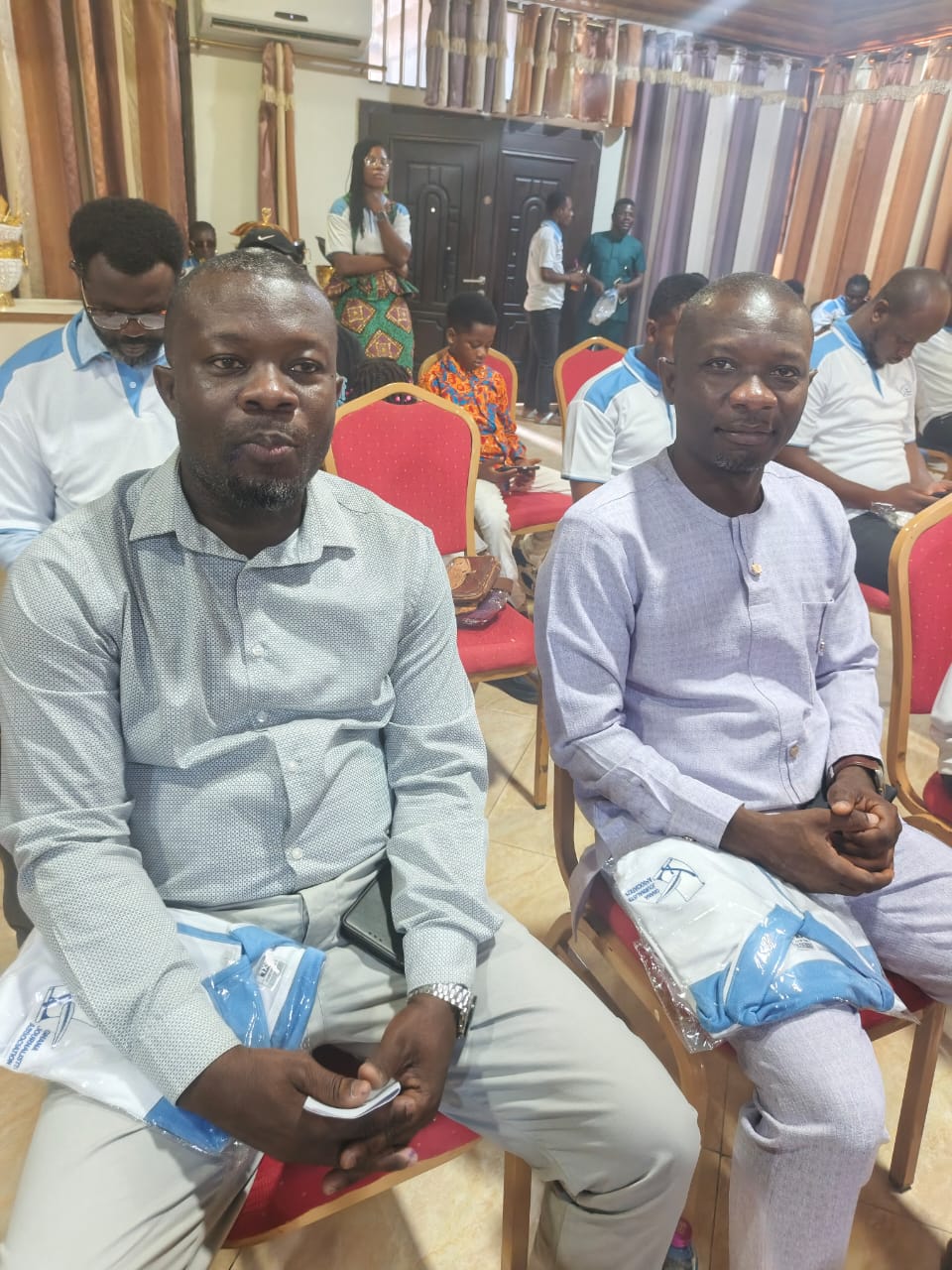
Promasidor Ghana Limited, producers of the Cowbell range of products; McKenzie, a leading sportswear producer in Sunyani; MIHOSO International Foundation; and Dede Salad, a leading caterer in Sunyani, all provided various forms of sponsorship for the programme. Cowbell supplied free snacks to all participants, while Dede Salad catered lunch for everyone in attendance. MIHOSO International Foundation supported the programme with GH¢1,800, and McKenzie donated 200 Lacoste T-shirts for the event.
(Story by Richard Kofi Boahen)