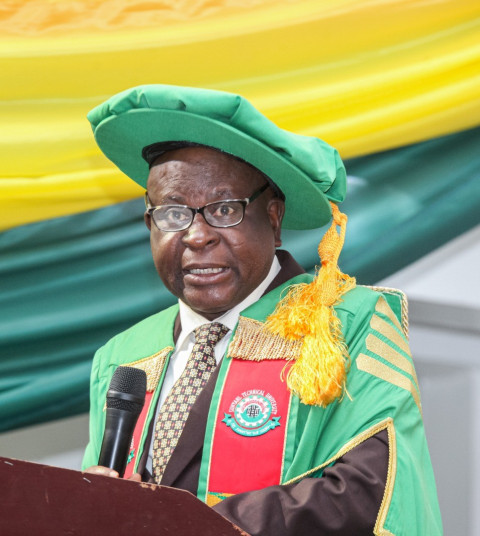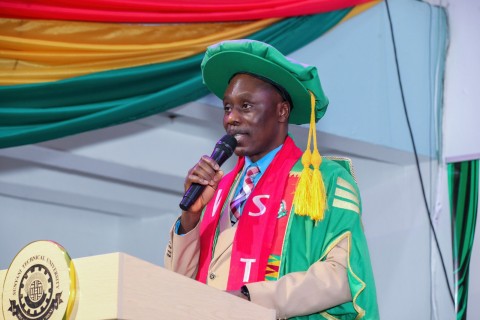
The Vice Chancellor of the University of Energy and Natural Resources (UENR), Prof. Elvis Asare-Bediako, has described journalists as the modern-day equivalent of traditional Ghanaian gong beaters, entrusted with the responsibility of informing society, shaping public consciousness and guiding communities.
He said just as gong beaters in traditional Ghanaian societies used their voices to announce important decisions, summon communities and communicate events, journalists today wield the power of information to influence public discourse and the direction of society.
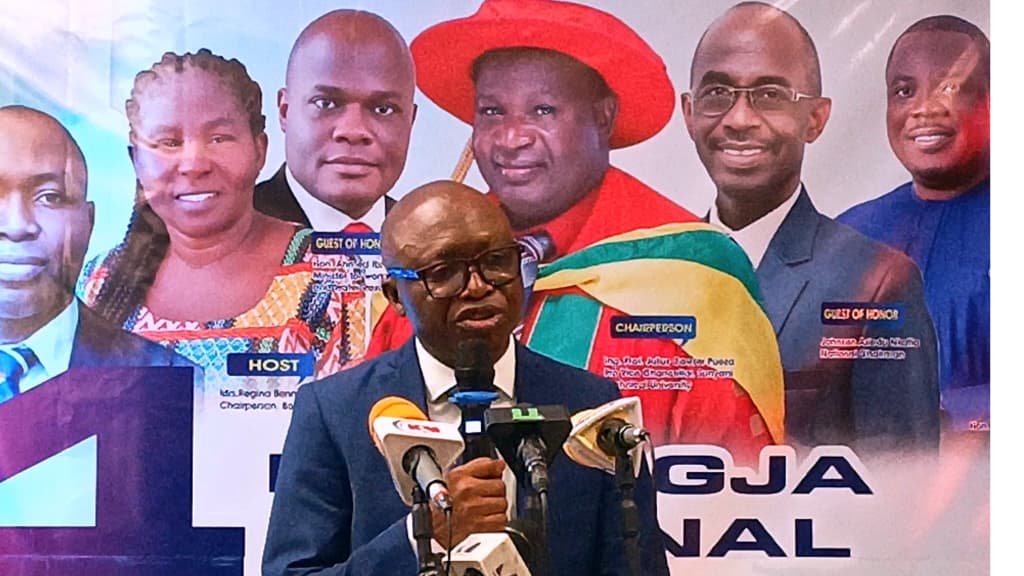
Prof. Asare-Bediako was speaking as the Guest Speaker at the 4th Bono Region Ghana Journalists Association (GJA) Awards, held at the plush Sweet Touch Hotel in Sunyani.
The ceremony was held under the theme: “Ethics, Integrity, and Impactful Journalism, Essential Ingredients for Societal Transformation.”
Awardees
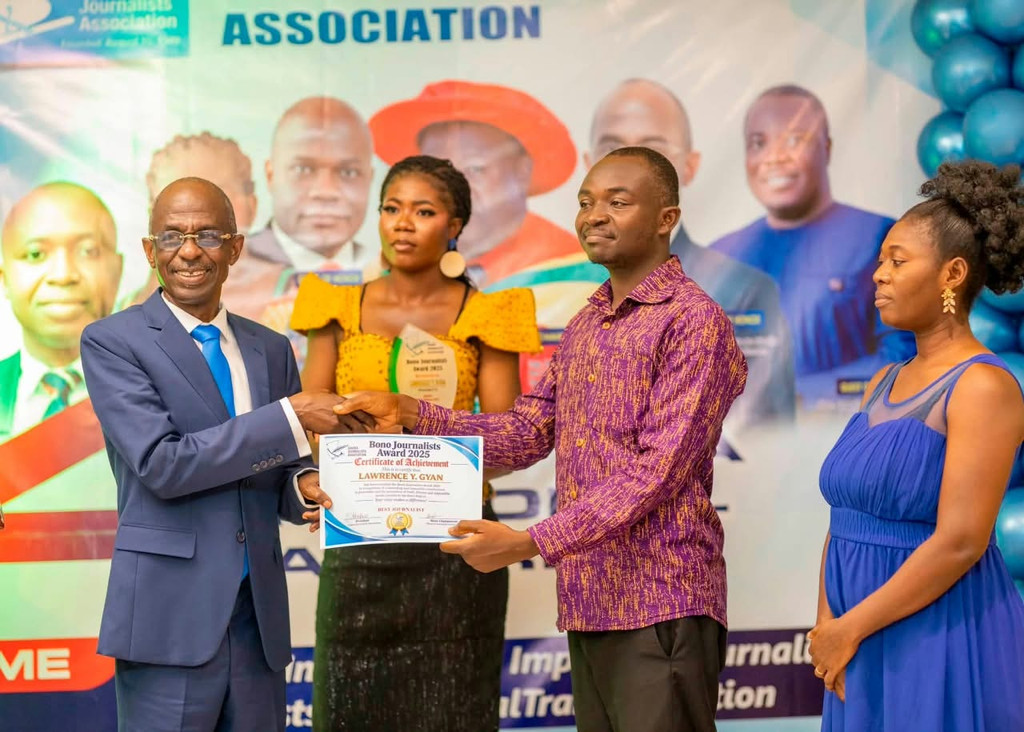
Lawrence Yeboah Gyan of Wisdom FM, a campus radio of the Catholic University of Ghana, Fiapre, won the 2025 overall Best Bono Region GJA Award alongside two other awards.
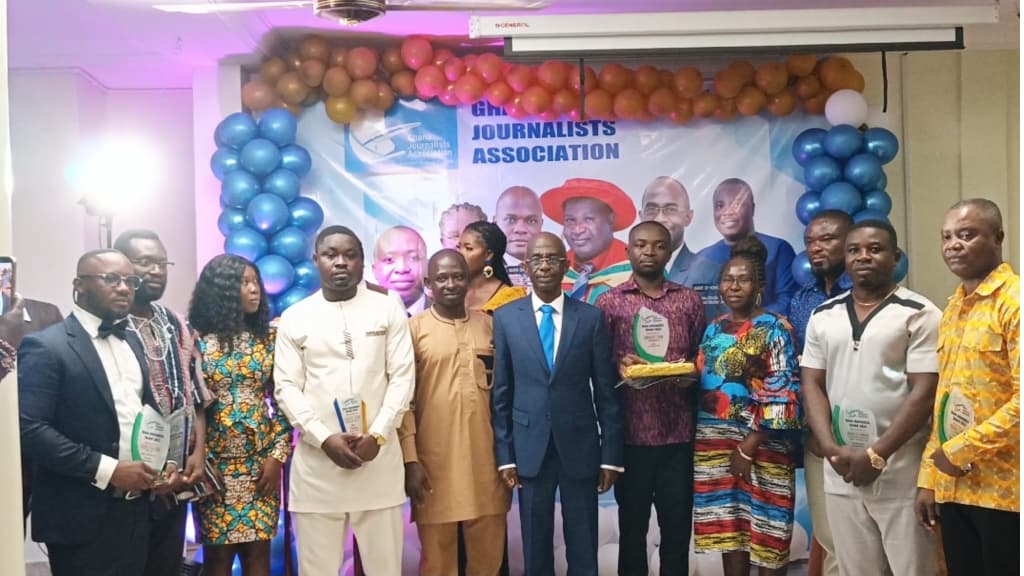
Biiya Mukusah Ali of the Daily Graphic grabbed two awards – the Best Tourism report (print category) and Best Agroecology and Agri-business award.
Ghanaian Times’ Bono Regional Correspondent, Daniel Bruce Dzirasah went home with the Best report on mining as well as the Best Development-focused report.
Other award winners were Claude Kumi Abisa (TV3) – Tourism (Electronic); Emmanuel Kwadwo Gyan, Sky FM – Best Radio (electronic) documentary; Precious Semevoh of Joy News – Climate Change and Green Transition; Edward Adjei-Frimpong, a freelancer – Business & Finance category; Michael Sarpong-Mfum (Channel One TV) Education; Samuel Kumi, Service Radio – Best Morning Show Host and Osei Kwadwo Laar (Sun City Radio) – Best Newscaster in Akan.
Influence on society
Prof. Asare-Bediako noted that the influence of journalists went beyond simply reporting events, describing journalism as a form of leadership exercised through “the power of words, the courage of truth, and the responsibility of influence.”
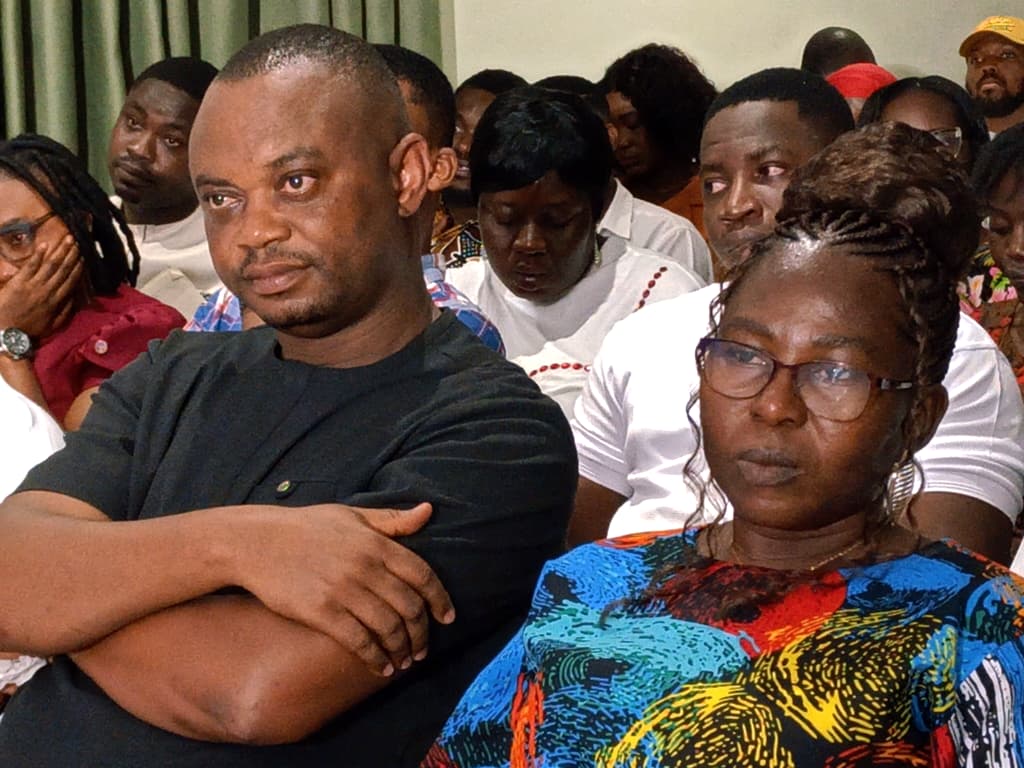
He said when journalism was practised with ethics and integrity, it could promote social progress, strengthen democratic institutions, foster stability and ensure accountability and transparency.
“Every journalist is a leader, guiding public thought, shaping civic behaviour, and inspiring collective action,” he said.
Prof. Asare-Bediako, however, cautioned journalists against sacrificing accuracy and professional standards in the pursuit of speed, popularity or sensational headlines.
He stressed that responsible journalism required patience, discipline and humility, urging practitioners to cross-check facts, thoroughly verify sources and ensure that stories served the public interest before publication.
“In a world where misinformation spreads faster than truth, accuracy is the bedrock of trust, and trust is the foundation of transformation,” he said.
Don’t rush
The UENR Vice Chancellor warned that journalists who rushed to publish unverified information risked misleading the public and undermining confidence in the media and democratic institutions.
He therefore urged journalists to question every piece of information they received by examining the reliability of sources, the sufficiency of evidence and the public interest value of the information.
He also encouraged media practitioners to resist the temptation to publish unverified claims simply because they were attractive or likely to generate public attention.
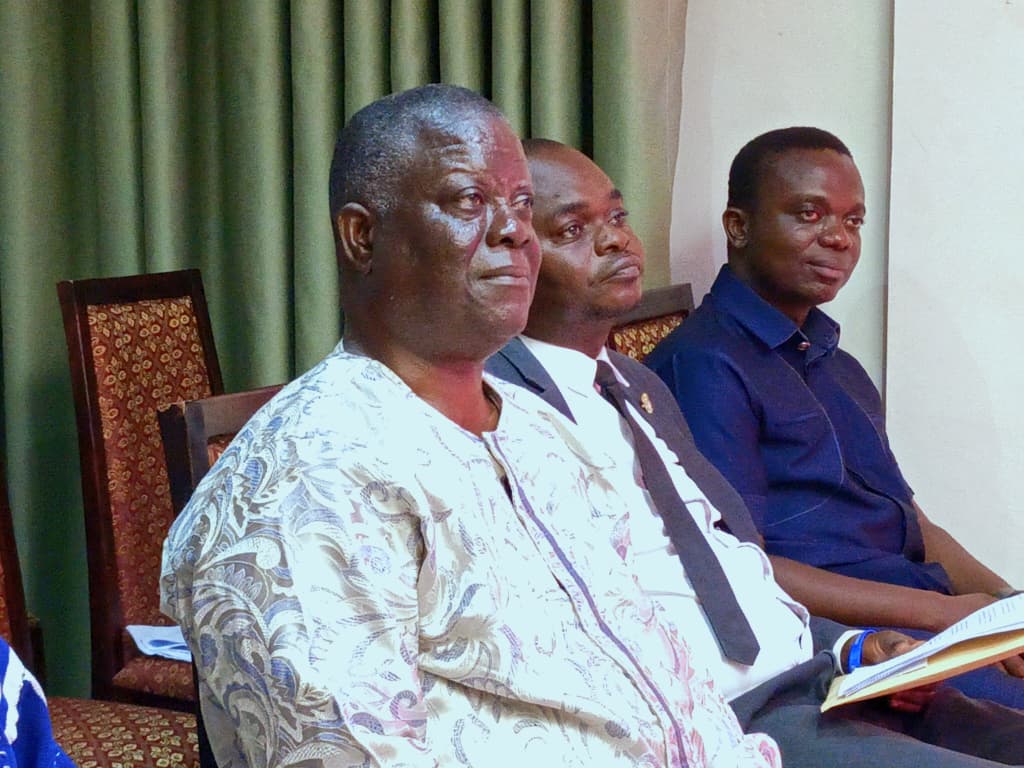
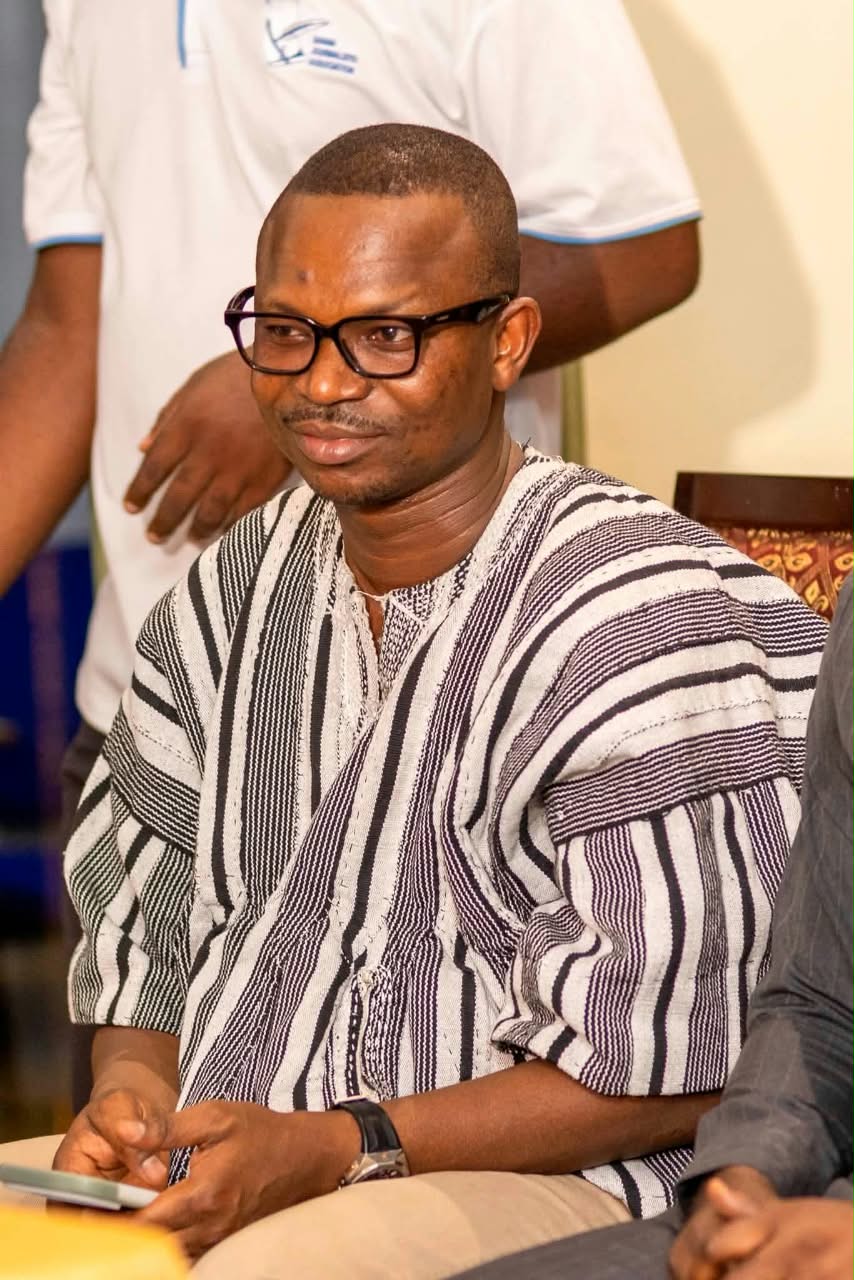
“Remember that the credibility of your work is more valuable than the applause of the moment,” he said.
Protect your dignity
Prof. Asare-Bediako further urged journalists to protect the dignity of individuals through fairness and balance in their reporting, while acknowledging mistakes and correcting them promptly when they occurred.
He said societal transformation could not be achieved through policies alone but also required ideas, dialogue and the courage to confront uncomfortable truths.
Against this background, he called for stronger collaboration between academia and the media, noting that research generated evidence while journalism had the capacity to amplify such evidence and bring it into public discourse.
“At the University of Energy and Natural Resources, we share this vision. Our mission is to generate knowledge, train ethical leaders, and serve society. We believe that academia and journalism must collaborate,” he said.
Congratulating the award winners, Prof. Asare-Bediako said their recognition should serve not only as a reward for excellence but also as a renewed responsibility to uphold professional standards and remain “guardians of truth.”
Nation builders
He particularly encouraged young journalists to see themselves as more than reporters of events, but as thought leaders and nation builders whose stories could inspire, heal and contribute to positive social change.
He said journalism also had an important role to play in maintaining social stability and reminding citizens of their shared humanity, responsibilities and aspirations.
“Just as the gong beater’s message could rally a community to action or calm tensions in times of uncertainty, so too must journalism today serve as a stabilising force,” he said.
Prof. Asare-Bediako reaffirmed UENR’s commitment to supporting ethical and impactful knowledge dissemination and wished the GJA continued success in its efforts to promote professional journalism in the Bono Region and Ghana.

He said when ethics guided journalists’ work and integrity anchored their voices, journalism could transcend its conventional role as a profession and become a powerful force for societal transformation.
Illegal mining
Mrs Regina Benneh Siaw, Bono Regional Chairperson of the Ghana Journalists Association (GJA), has called for concerted action to prevent illegal mining, popularly known as galamsey, from gaining a foothold in the Bono Region.
She said the destruction of rivers, forest reserves and farmlands through illegal mining posed a serious threat to the region’s future and required urgent action from traditional authorities, state institutions, security agencies and other stakeholders.
According to her, journalists could not claim to be catalysts for societal transformation while remaining silent on issues that threatened the wellbeing and future of communities.
“One such major concern is the alarming spread of illegal mining, galamsey, in the Bono Region. Our rivers are being polluted, our forest reserves are being depleted, and our fertile farmlands are being destroyed,” she said.
Mrs Benneh Siaw described the galamsey menace as both an ethical and moral issue, raising concerns about its implications for future generations.
“If this menace is not checked, what future are we leaving for our children? What water will they drink? And what land will they farm?” she asked.
She therefore appealed to traditional authorities, the Bono Regional Coordinating Council, security agencies and other stakeholders to take decisive measures to prevent the region from becoming another illegal mining hotspot.
“The Bono Region must not be allowed to become another galamsey hub,” she stressed.
Media pledge
Mrs Benneh Siaw pledged the commitment of journalists in the region to use their platforms to expose and educate the public about the dangers associated with illegal mining.
“As the fourth estate of the realm, we in the Bono Region pledge our commitment to use our pens and microphones to fight this canker through ethical and impactful reportage,” she said.
She noted that such reportage must be guided by professional ethics and integrity, suggesting that journalists had an important role to play in stimulating public discussion and encouraging action on critical development challenges.
Mrs Benneh Siaw also used the occasion to congratulate nominees at the awards ceremony, describing them as winners for demonstrating dedication to professional journalism and the values of ethics and integrity.
She expressed appreciation to the sponsors of the awards for their support, saying their contribution had helped make the ceremony possible.
Attendance
The 4th Bono Regional GJA Awards brought together journalists, media managers, dignitaries and other stakeholders to recognise outstanding contributions to journalism in the region.
High-profile personalities who graced the occasion in their numbers. They included the National Chairman of the National Democratic Congress (NDC), Johnson Asiedu-Nketia; the MP for Banda and Minister of Water Resources, Works and Housing, Ahmed Ibrahim; the Bono Regional Minister, Joseph Addae Akwaboah, the Chief Executive Officer of the National Entrepreneurial and Innovation Programme (NEIP), Eric Adjei and the Sunyani Municipal Chief Executive, Vincent Antwi-Adjei.
Also in attendance were representatives of Newmont Ahafo Development Foundation (NADeF), the Bank of Ghana, Nsoatreman Community Bank, ActionAid Ghana. The Bono Regional heads of NADMO and DOVVSU, among several others, were there in their numbers
Story by Richard Kofi Boahen, Sunyani