Story by Richard Kofi Boahen
The RCA Project, implemented through a collaboration involving the Global Media Foundation, consortium partners, the Healthy Cities for Adolescents Initiative, Fondation Botnar, Ecorys UK, Municipal Assemblies, and other stakeholders, focused on promoting adolescent wellbeing, civic participation, and inclusive urban development.
Beyond civic engagement, the RCA Project also equipped many young people with employable skills in ICT, fashion design, hairdressing, baking, soap making, and beading, providing pathways for economic empowerment and self-reliance.
Key concerns raised during the project included education, unemployment, sanitation, safe recreational spaces, adolescent wellbeing, and youth involvement in governance.
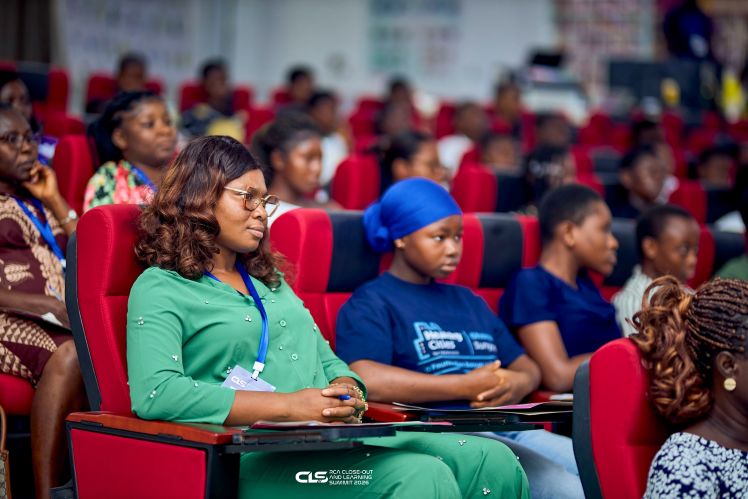
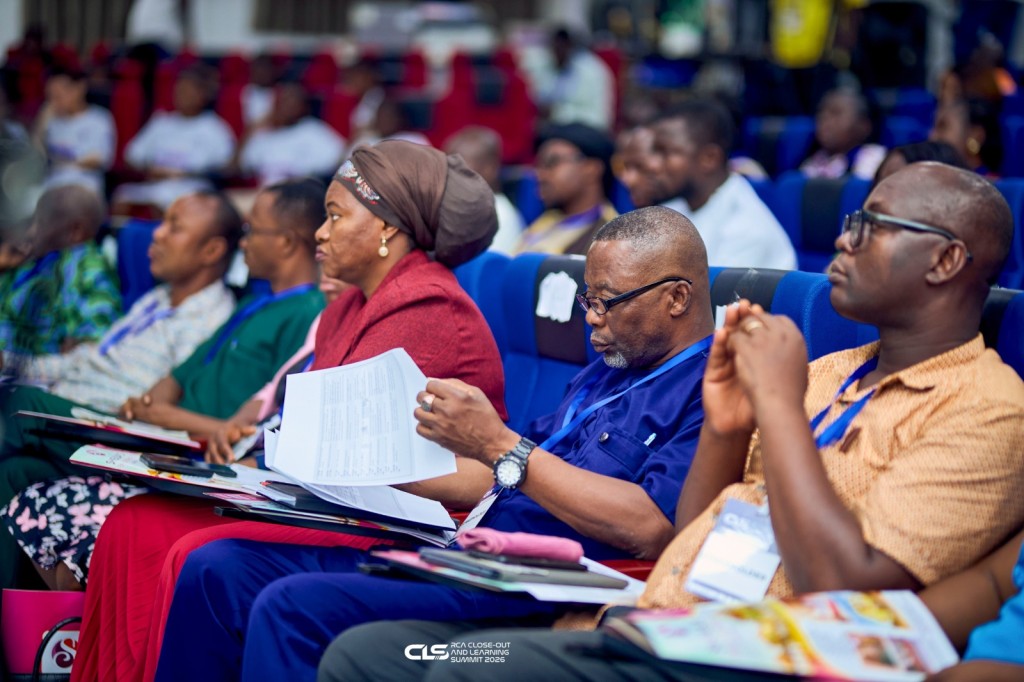
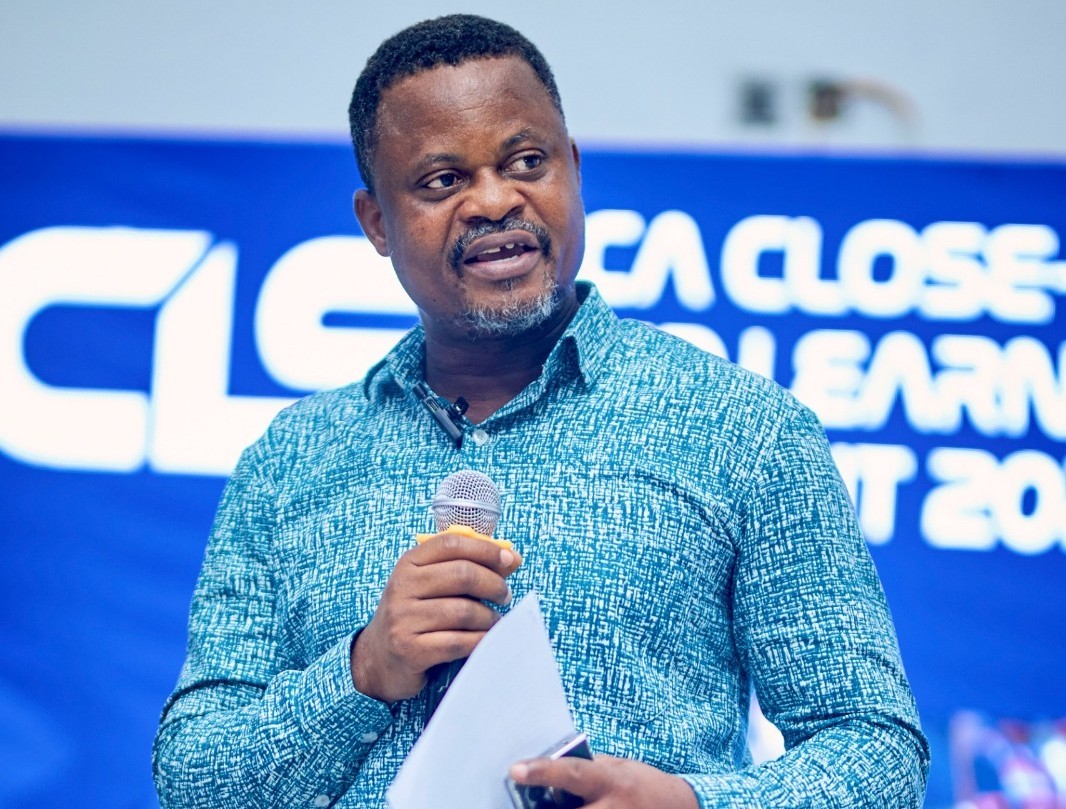
Addressing stakeholders, development partners, community leaders, health professionals, educators, parents, and young people at the closeout ceremony, Mr. Ahenu described the project as a transformative intervention that had strengthened youth participation, social inclusion, and community resilience.
“This occasion marks not only the end of a project cycle but also the celebration of a shared journey, meaningful partnerships, impactful interventions, and renewed hope for adolescents and young people in our communities,” he stated.
Project objectives
The project, implemented by Global Media Foundation, sought to address challenges confronting adolescents, including limited access to quality education, unemployment, inadequate healthcare, gender inequality, climate vulnerabilities, mental health concerns, and social exclusion.
According to Mr. Ahenu, the initiative created platforms for adolescents and young people to actively engage in local development and decision-making processes while improving awareness on adolescent health and wellbeing.
He noted that several young beneficiaries had developed leadership skills, confidence, and the courage to speak on issues affecting their communities.
“Importantly, this project has demonstrated that when young people are given the opportunity, support, and enabling environment, they become powerful agents of change,” he emphasized.
Mr. Ahenu further praised the collaboration among stakeholders, saying the partnership between local authorities, schools, healthcare providers, volunteers, and community leaders contributed significantly to the project’s success.
Despite the official closure of the initiative, he urged government agencies, civil society organizations, development partners, and private sector actors not to relent in supporting youth-centered programmes.
Sustainability
“The gains we have made must be sustained and expanded. We must continue investing in policies, programmes, and partnerships that prioritize adolescent wellbeing, youth empowerment, education, health, employment opportunities, climate resilience, and civic participation,” he said.
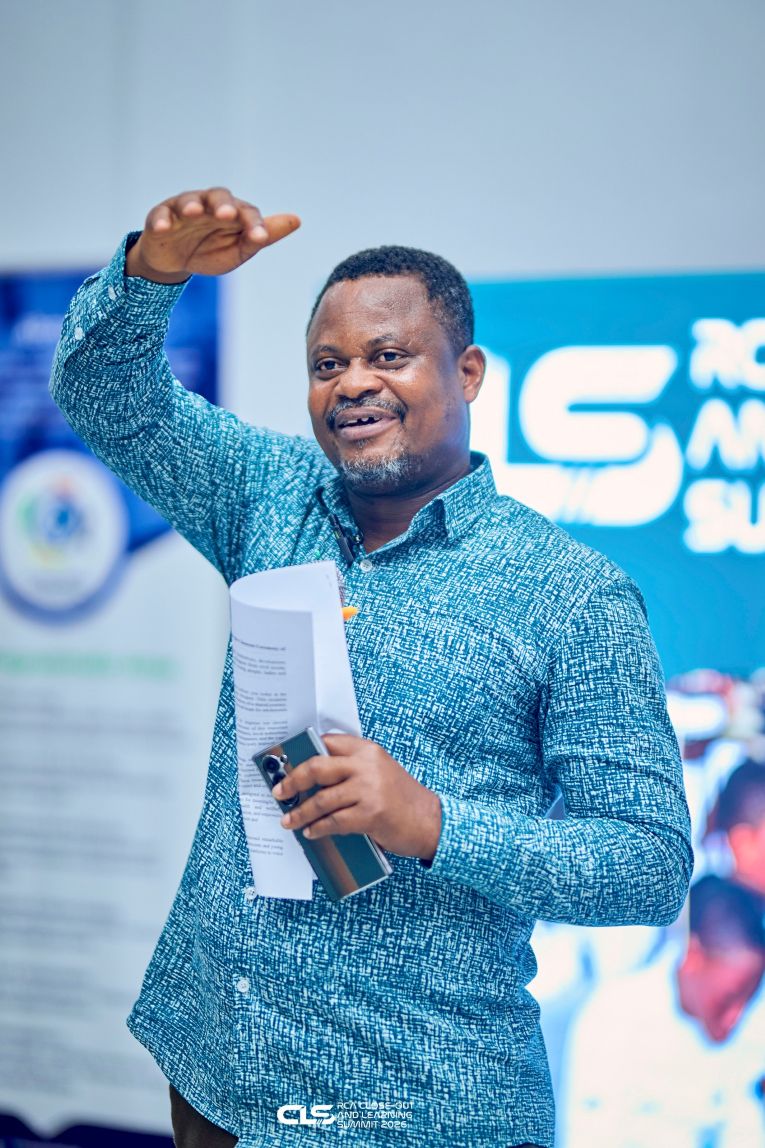
He also delivered a motivational message directly to young people, encouraging them to remain focused, responsible, and committed to positive change in their communities.
“You are not only the leaders of tomorrow; you are important partners in development today,” he told the gathering.
Transformation
For his part, the Speaker of the Sunyani Adolescent Parliament, Daniel Frimpong Sarkodie, the Young people in Sunyani are calling for sustained investment in adolescent participation and wellbeing, adding that the initiative had transformed how young people see themselves and their role in society.
“Before the RCA Project, many adolescents felt disconnected from decision-making processes,” he said. “We often believed that governance, policy discussions, and development planning were only for adults. But through the Adolescent Parliament and the different platforms created under the project, we learned that our voices matter, our ideas matter, and our participation matters.”
According to Sarkodie, the project went beyond training sessions and workshops, helping adolescents develop confidence, leadership abilities, and a stronger sense of civic responsibility.
“The project did not only train us. It transformed how we see ourselves and our role within society,” he stated.
Access to duty bearers
He noted that through parliamentary sittings, community forums, ICEP meetings, and media engagements, adolescents were given direct access to duty bearers, community leaders, and city authorities to discuss issues affecting young people.
Sarkodie emphasized that one of the most significant lessons from the initiative was the recognition that adolescents are not merely recipients of development programmes but active contributors to national progress.
“One important lesson we have learned is that adolescents are not only beneficiaries of development. We are active partners in building healthy, safe, and resilient cities,” he said.
As the project phase concludes, Sarkodie urged stakeholders not to allow the gains made over the past three years to fade.
Continuity
He called for the continued strengthening of the Adolescent Parliament, greater adolescent participation in city planning, increased investment in safe spaces, and stronger inclusion of young people in governance and development processes.
“To my fellow adolescents, let us continue to lead responsibly, speak confidently, and contribute positively to our communities,” he urged. “The RCA Project has opened doors for us, but it is our responsibility to continue walking through those doors with purpose, discipline, and vision.”
The close-out event highlighted the growing recognition of youth participation as a critical component of sustainable urban development, with many stakeholders praising the project for creating platforms that amplified adolescent voices in Sunyani.
Sarkodie concluded with a message of gratitude and hope.
“Together, we can continue building cities where adolescents are safe, heard, empowered, and included,” he said.
The Bono Regional Minister, Joseph Addae Akwaboah, in a speech read for him, emphasized government’s commitment towards the welfare of the youth and will continue to roll out programmes that will empower them economically.
As part of the programme, there were photo exhibition of some of the key activities undertaken in the last three years under the RCA project, especially projects carried out in the areas of beadwork, fashion design, bakery, hairdressing & make-up as well as soap-making.