The Bank of Ghana (BoG) has urged journalists to uphold the highest standards of ethics, integrity and professionalism to strengthen public trust and promote accountability in society.
It said ethical and impactful journalism was essential to democratic governance, transparency and national development, particularly at a time when misinformation and disinformation were spreading rapidly.
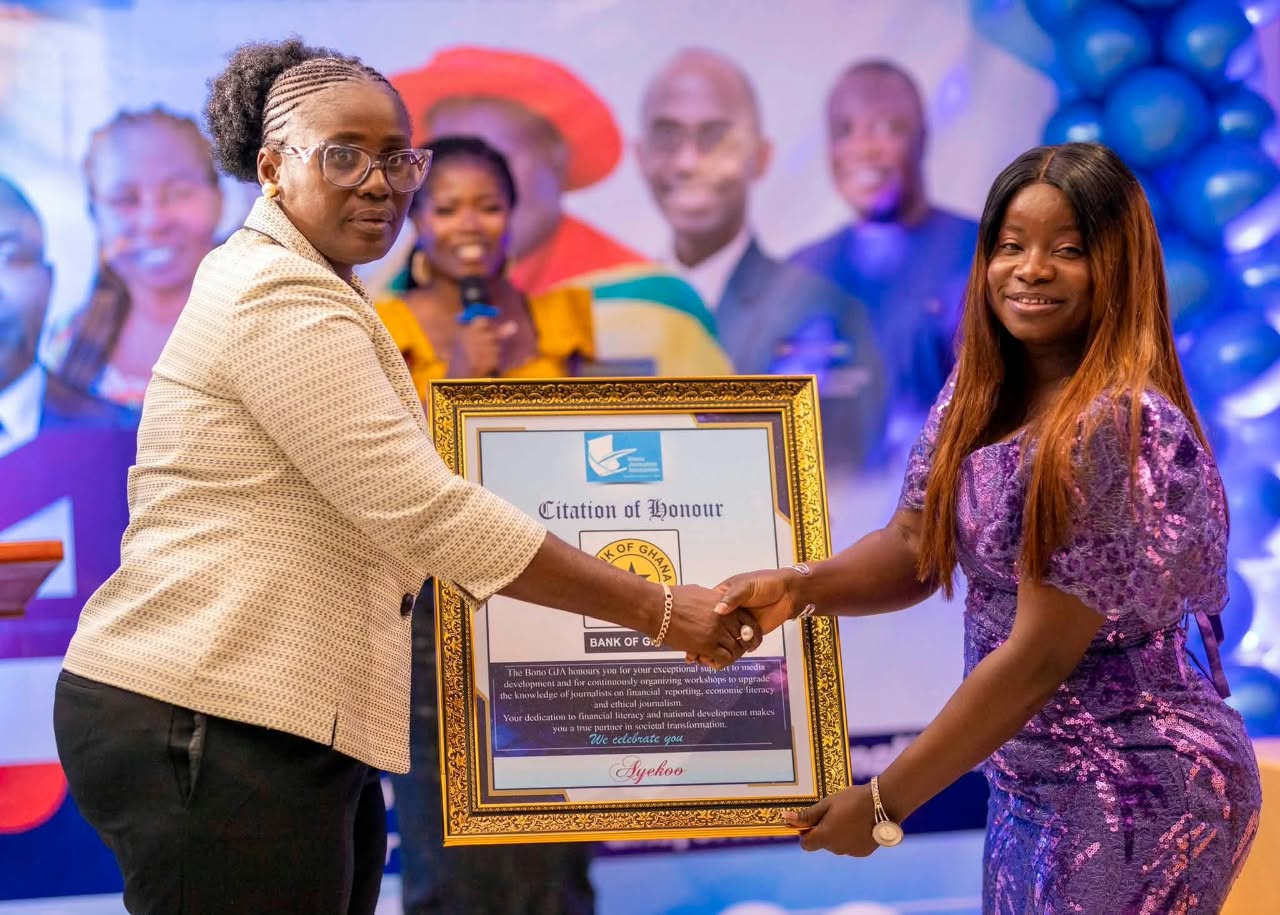
Mr Bernard Ato Otabil, Director of Communications at the Bank of Ghana, made the call in remarks delivered on his behalf by Mr R. Abdulai Lawal Abubakari, Sunyani Regional Director of the Bank, at the Fourth Bono Regional Ghana Journalists Association (GJA) Awards in Sunyani.
The event, held at the Sweet Touch Hotel on Saturday, September 19, 2026, was on the theme: “Ethics, Integrity and Impactful Journalism: Essential Ingredients for Societal Transformation.”
Fundamental pillars
Mr Otabil said ethics, integrity and impactful journalism were fundamental pillars of responsible journalism and meaningful societal transformation.
He noted that journalism ethics went beyond professional requirements, describing accuracy, fairness, objectivity, independence and respect for the truth as essential principles for building and sustaining public confidence.
In an era of rapid information dissemination, he urged journalists to verify information, authenticate sources and present balanced perspectives to protect the credibility of the media.
On integrity, Mr Otabil said journalists must remain independent, resist undue influence from political, commercial and personal interests, and place truth and the public interest above all other considerations.
He also encouraged media practitioners to acknowledge and correct errors when they occurred, stressing that such practices were critical to strengthening public confidence in the profession.
Mr Otabil described the media as a key pillar of Ghana’s democratic governance, citing Article 162 of the 1992 Constitution, which guarantees freedom and independence of the media.
Impactful journalism
He said impactful journalism was increasingly important as societies grappled with economic pressures, climate challenges, technological disruptions and changing social expectations.
According to him, citizens needed reliable information, policymakers required informed public engagement, and institutions needed fair, objective and evidence-based scrutiny.
Emerging technologies
Touching on emerging technologies, Mr Otabil said digital innovation, artificial intelligence and data analytics presented opportunities for journalists to improve reporting and reach wider audiences.
He, however, cautioned that technology must not undermine the core values of accuracy, fairness, integrity, objectivity and accountability.
He called for stronger fact-checking mechanisms, professional development, media literacy and responsible reporting, while emphasising the need for collaboration among journalists, media organisations, regulators, academic institutions and civil society.
BoG’s financial support to media
Mr Otabil reaffirmed the Bank of Ghana’s commitment to strengthening its collaboration with the media in 2026 and beyond.
He disclosed that the Bank, in partnership with the GJA, had established the Governor’s Economic and Financial Story of the Year (GEFSY) award category to promote accurate and factual reporting on economic and financial issues in Ghana.
The initiative, he said, was also intended to encourage creativity and innovation in producing stories across print and digital platforms.
He urged journalists and media organisations to participate actively in the award scheme and contribute to improving public understanding of economic and financial issues.
Mr Otabil expressed appreciation to journalists for their partnership with the Bank of Ghana and their contribution to national development.