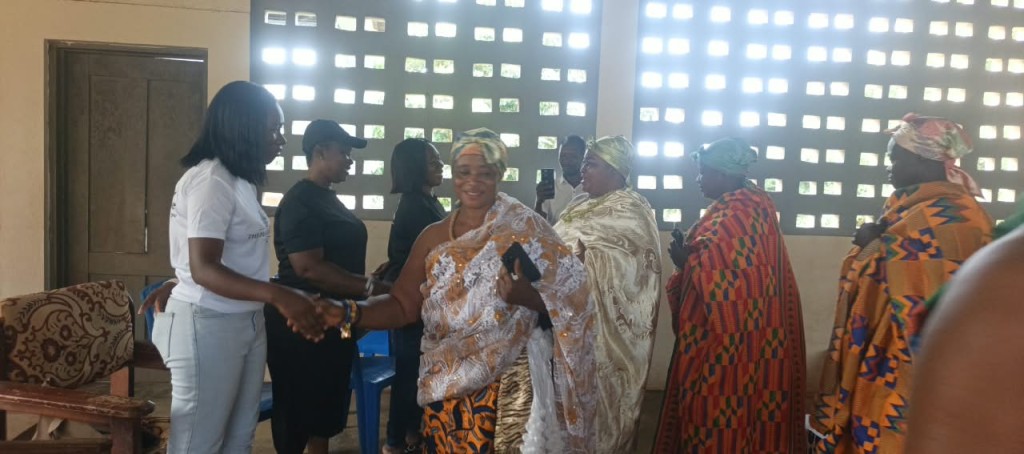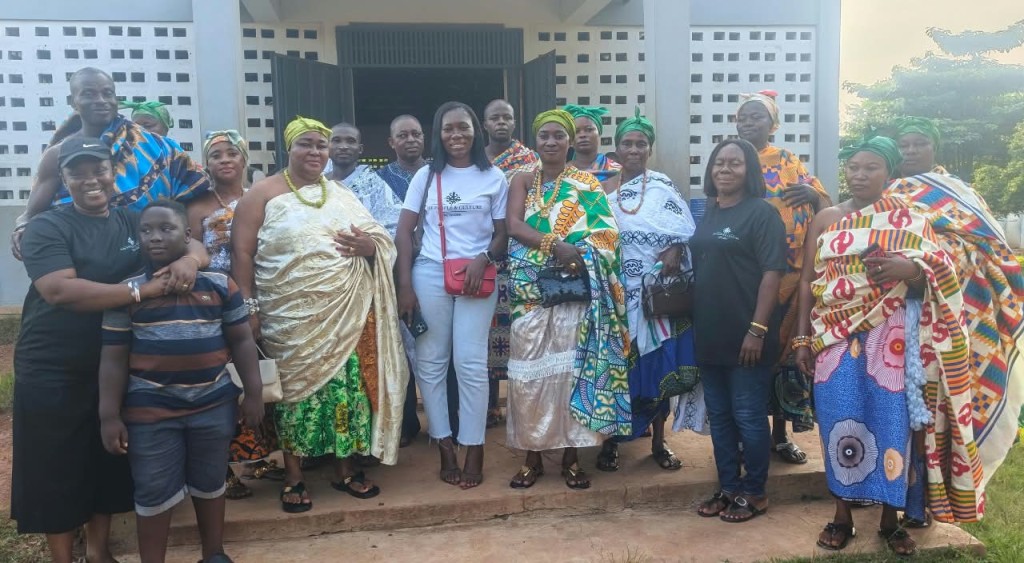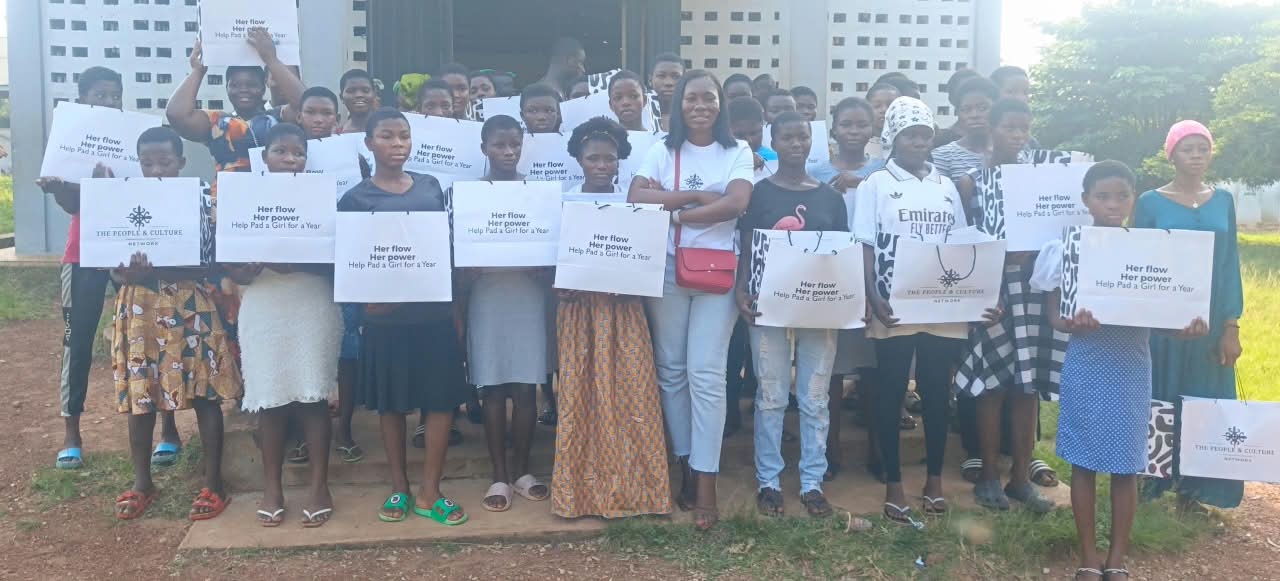
The People and Culture Network (PCN), a non-governmental organisation, has presented sanitary pads and personal hygiene products to female pupils of the Roman Catholic Basic School at Nanketewa near Sunyani as part of its Adolescent Reproductive and Personal Hygiene Outreach programme.
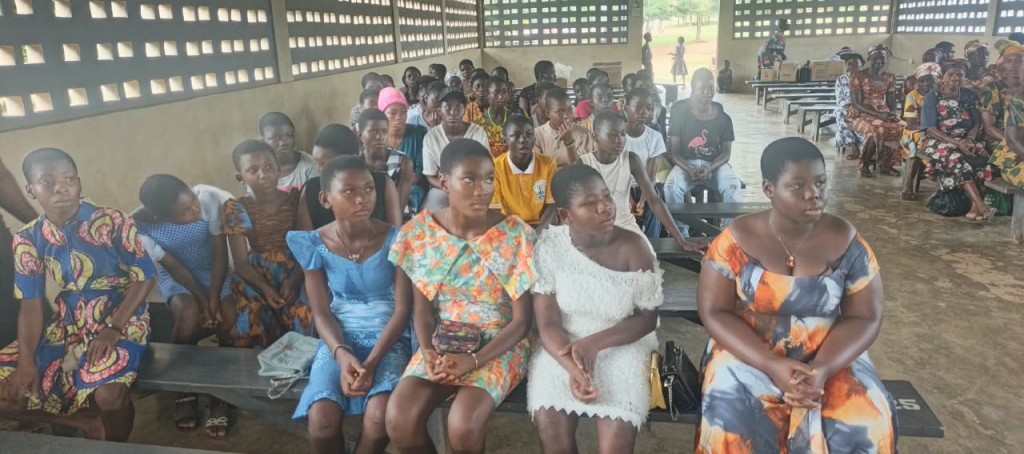
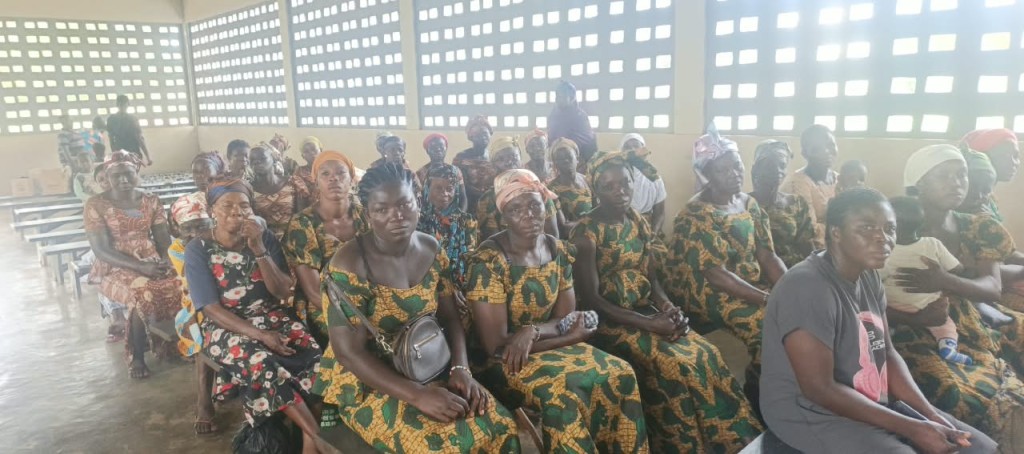
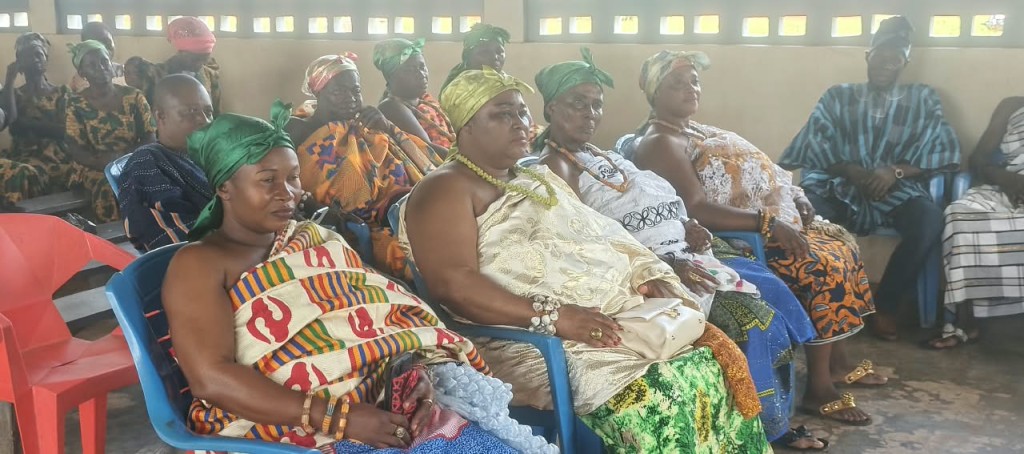
Under the initiative, dubbed “Pad a Girl for a Year,” each of the beneficiary girls received 12 pieces of sanitary pads intended to provide menstrual protection throughout the year, as well as an After-Wash personal hygiene product and a tube of Pepsodent toothpaste.
The outreach, which was held under the theme: “Empowering Adolescents, Ending Period Poverty, Keeping Girls in School,” was organized in partnership with the Kyidomhene of Sunyani Traditional Area, Nana Kwabena Sae II.
Nanketewa, together with Watchman, Kyiribogya, Apaaso, Kyiridua, Kyeremehkrom, Nsagobesa and Daadom are all under the Kyidom stool.

Outreach objectives
The programme sought to educate adolescents on puberty, reproductive health, personal hygiene and menstrual health, while addressing myths and misconceptions surrounding menstruation.
It also aimed to promote healthy choices, self-confidence, personal boundaries and responsible decision-making among young people, while encouraging boys to become supportive partners in promoting menstrual health and respecting the dignity of girls.
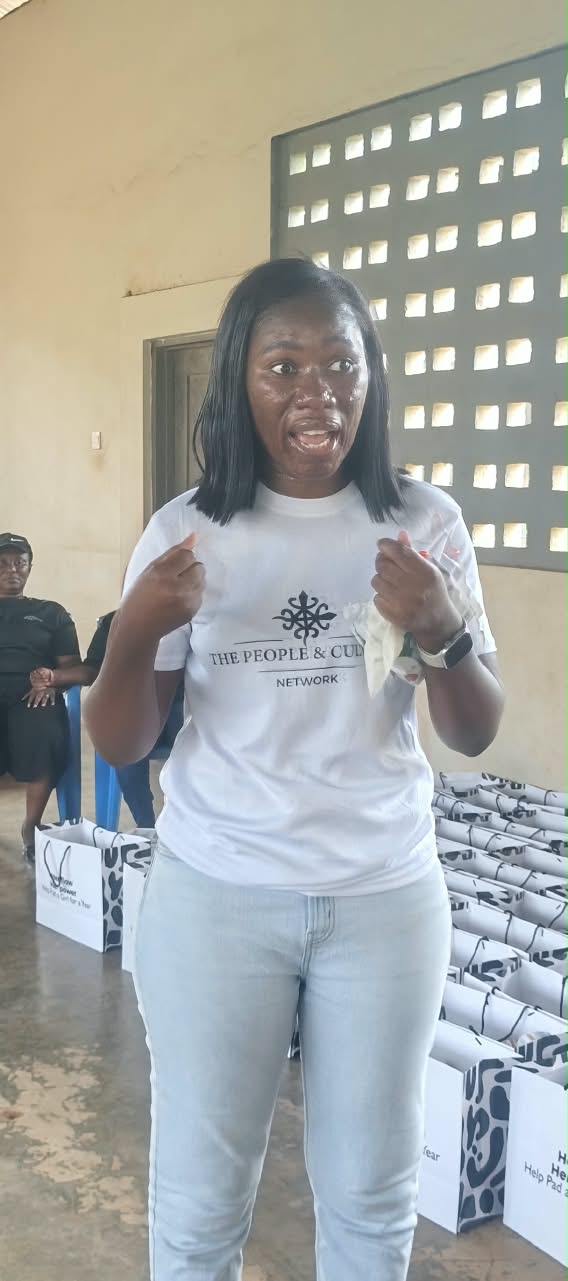
Speaking to the girls, the Executive Director of PCN, Miss Belinda Naasaamu, urged them not to allow menstruation to become a barrier to their education and future aspirations.
“Your body is changing, and it is okay to ask questions and seek accurate information. Take care of your body, protect your dreams, make informed choices, and surround yourself with people who support your growth,” she said.
She explained that the initiative was designed not only to provide sanitary products but also to equip girls with the knowledge and confidence to manage menstruation safely and with dignity.
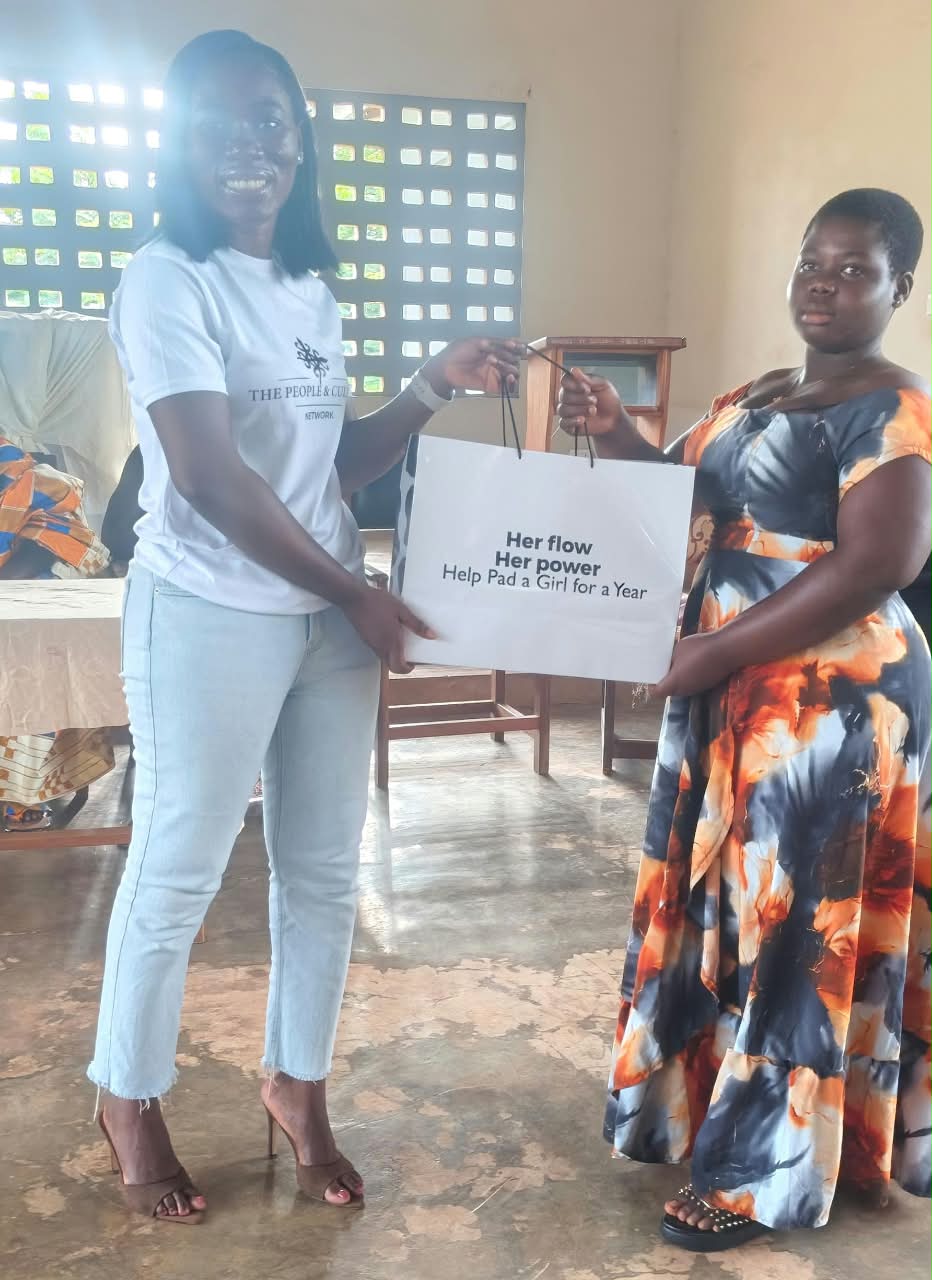
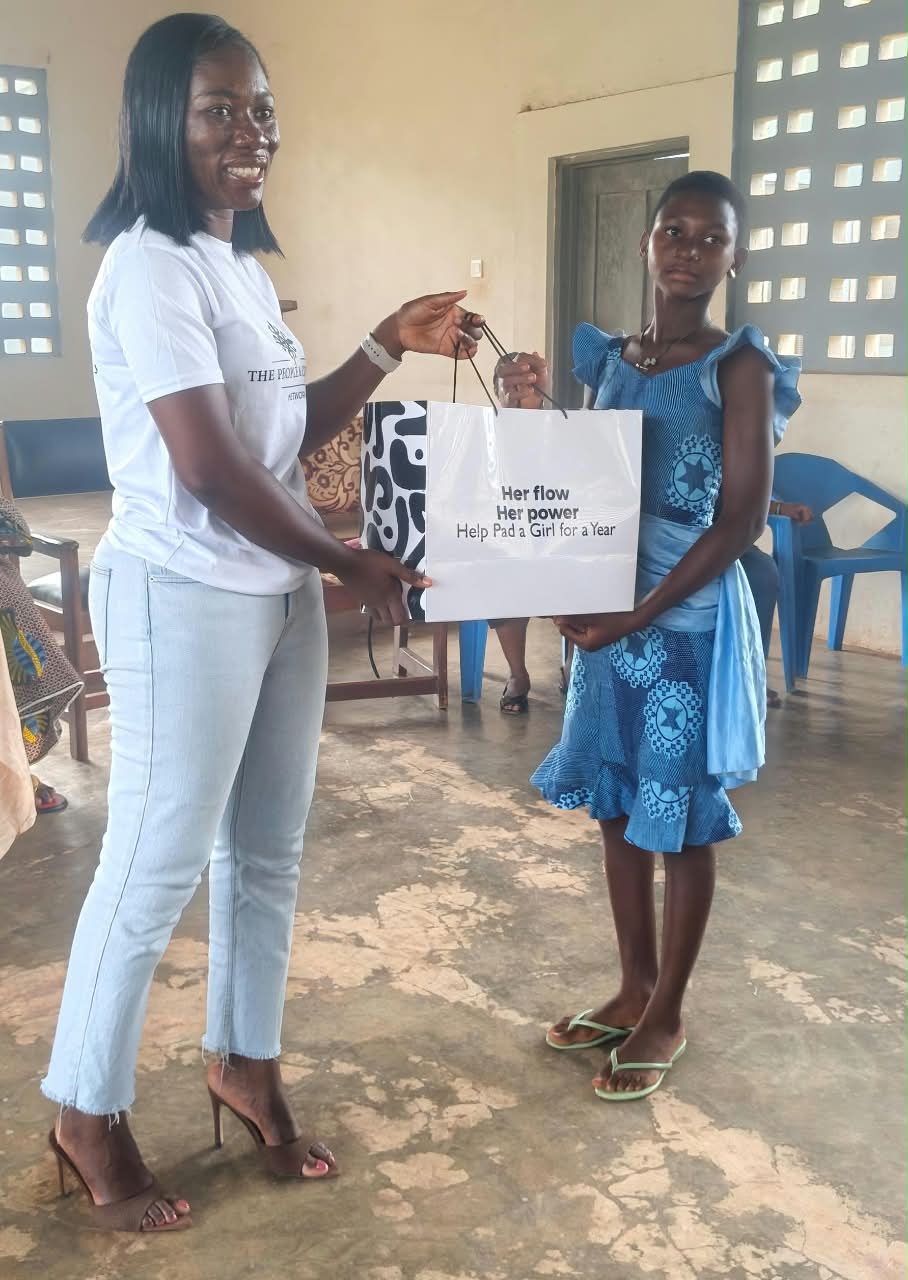
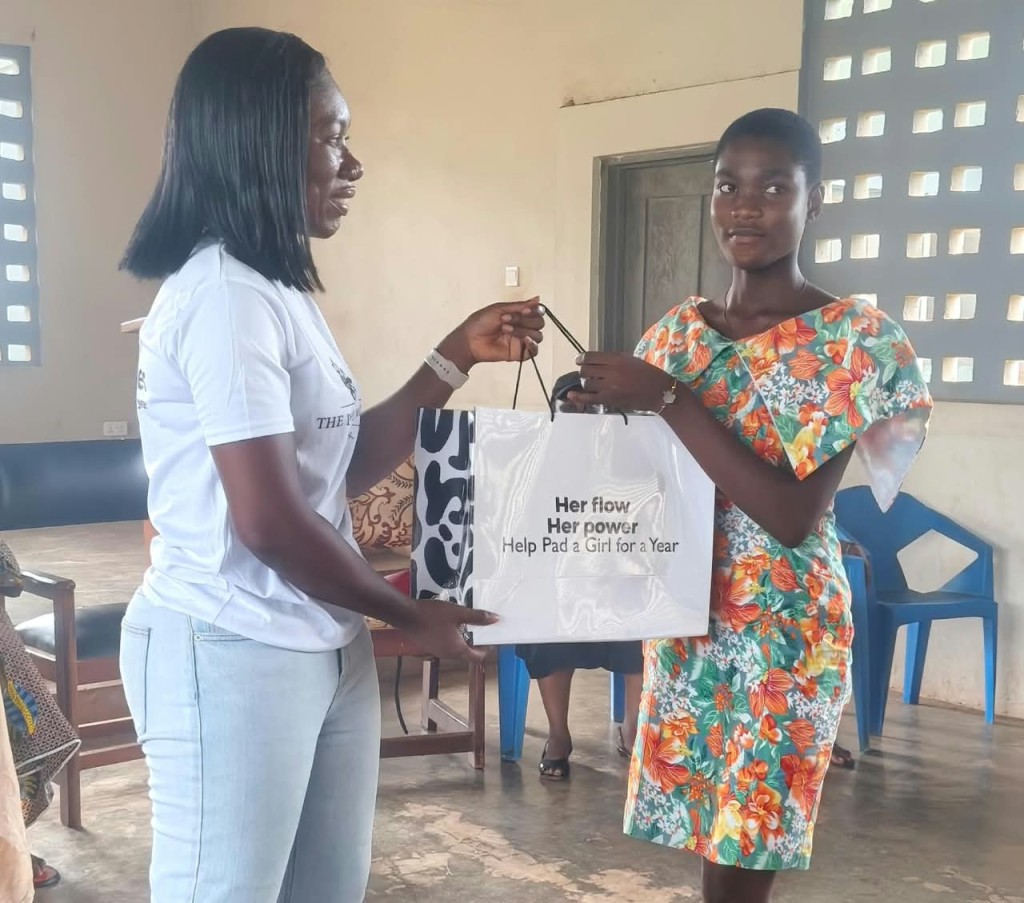
According to her, PCN began the year with a commitment to reach girls in communities across the country through menstrual health education and access to sanitary products.
Q.1 of 2026
In the first quarter of the year, the organisation reached 300 girls in three communities, Woropomo near Wenchi, Yendi and Suma Ahenkro, where beneficiaries received education on menstrual health and personal hygiene and guidance on how to better understand and manage their menstrual cycles.
As part of the August phase of the initiative, PCN is providing a full year’s supply of sanitary pads to 250 girls in three communities: Katakyiekrom near Drobo, Nanketewa in the Sunyani Traditional Area and Yamfo.
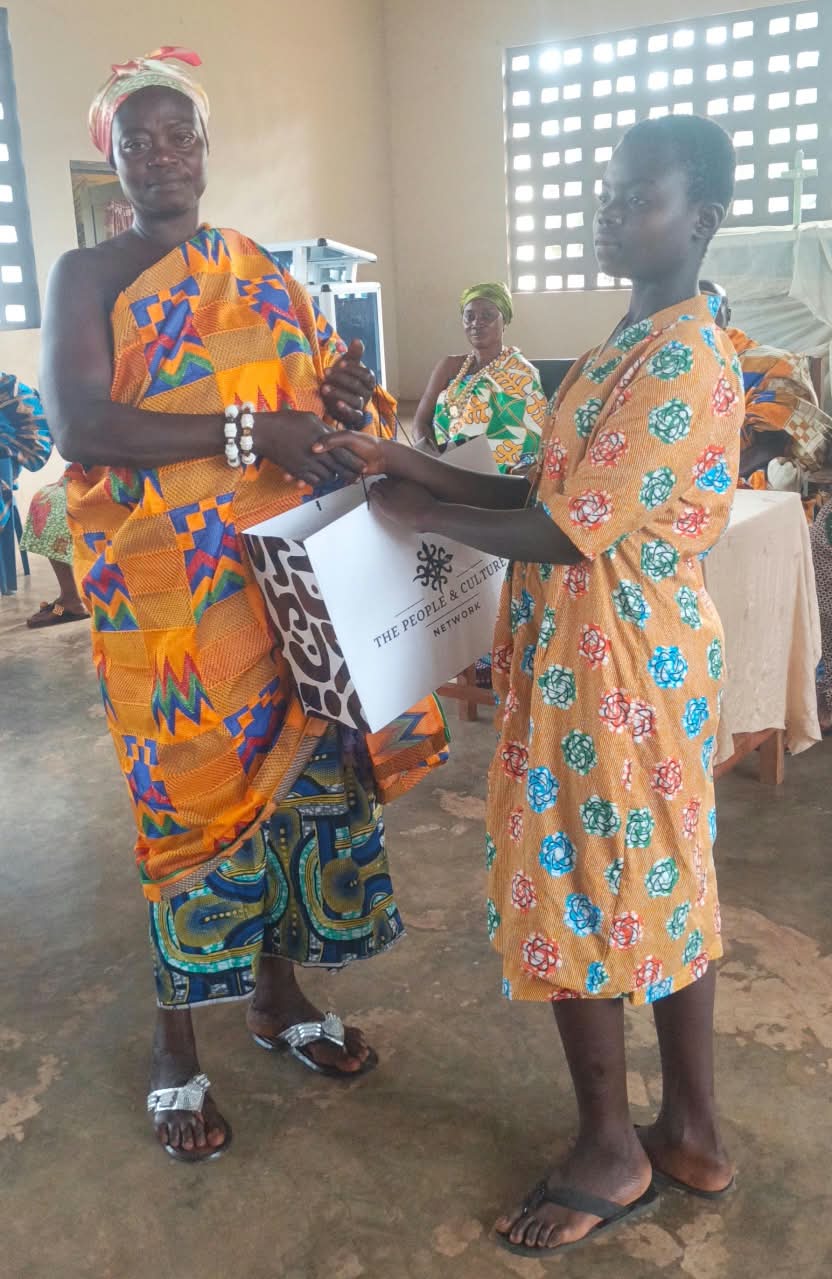
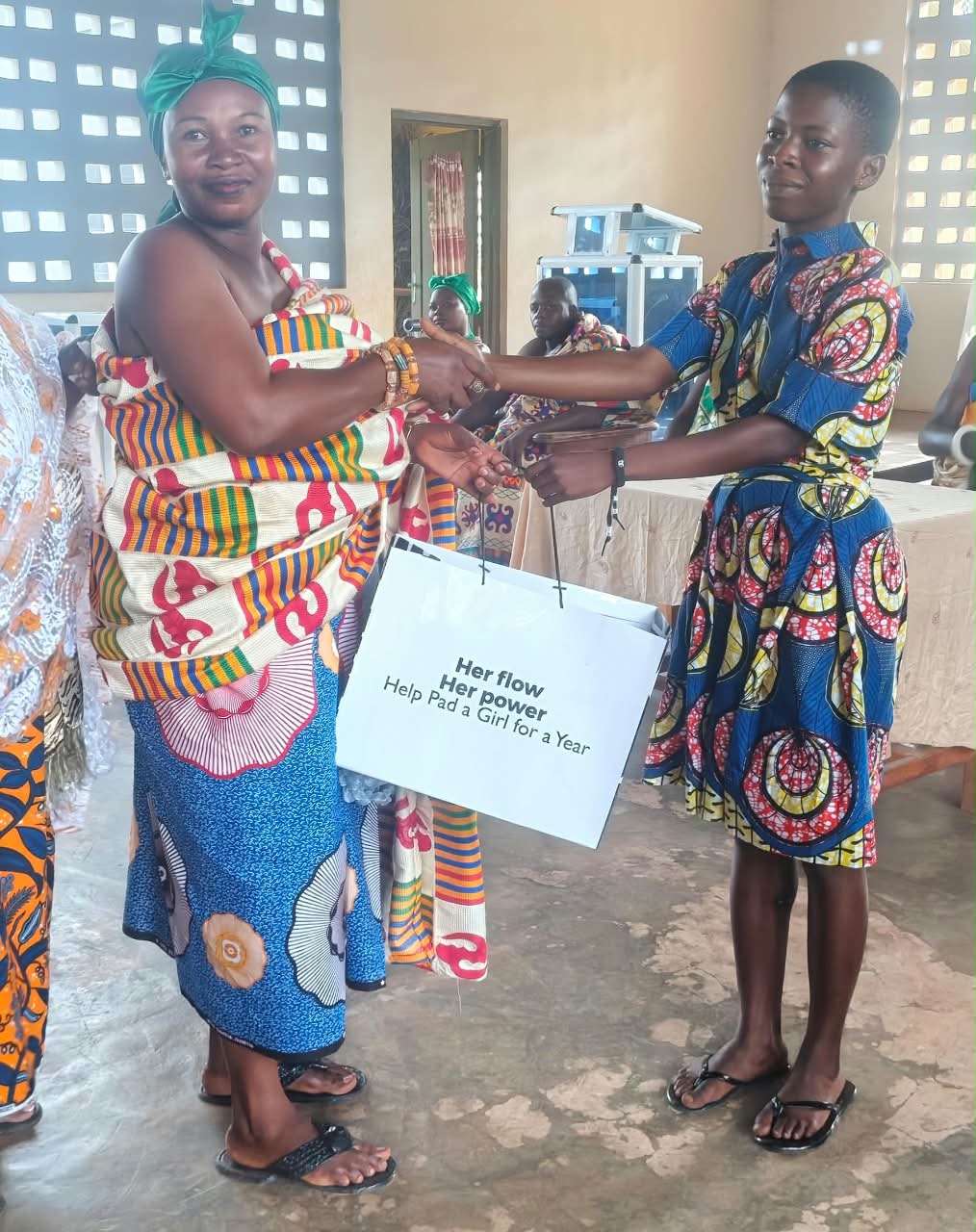
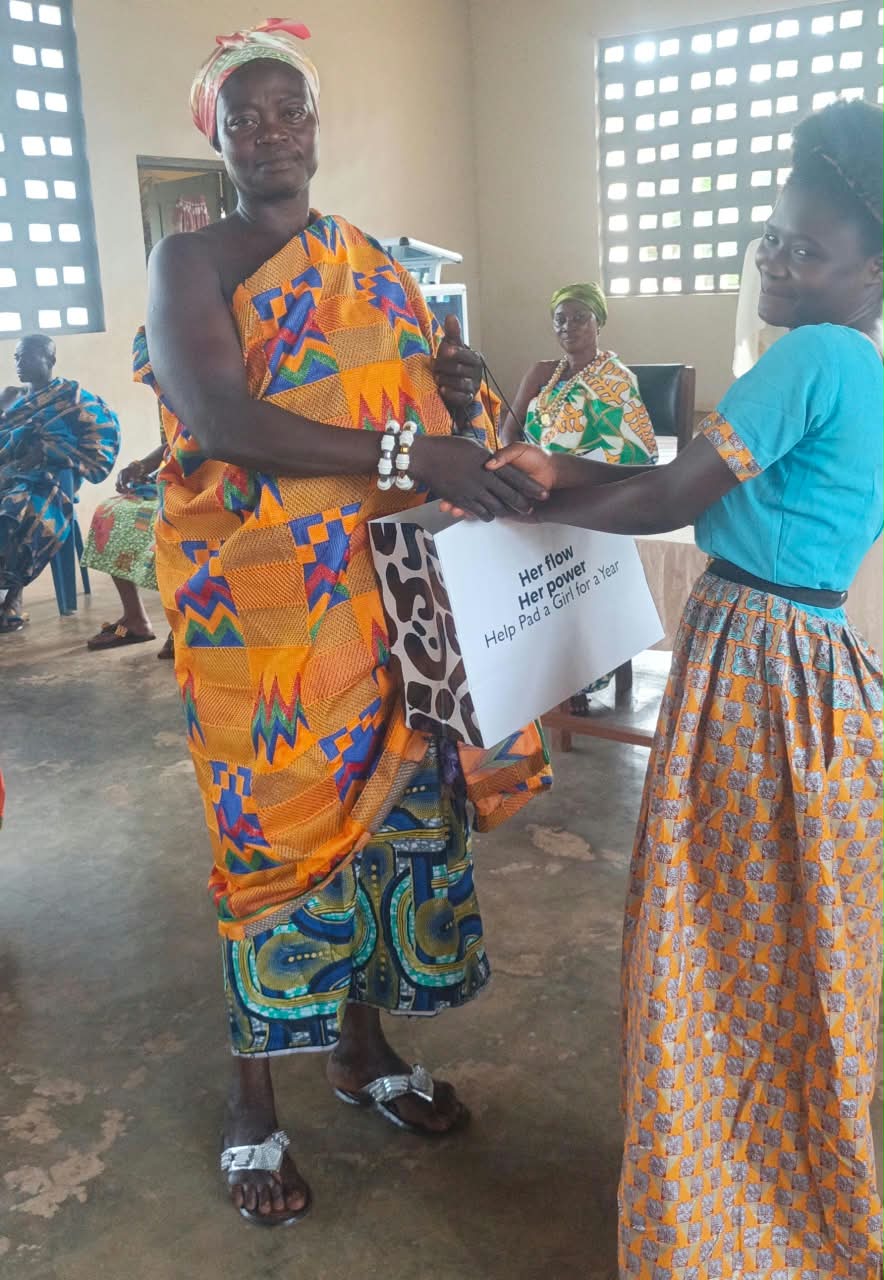
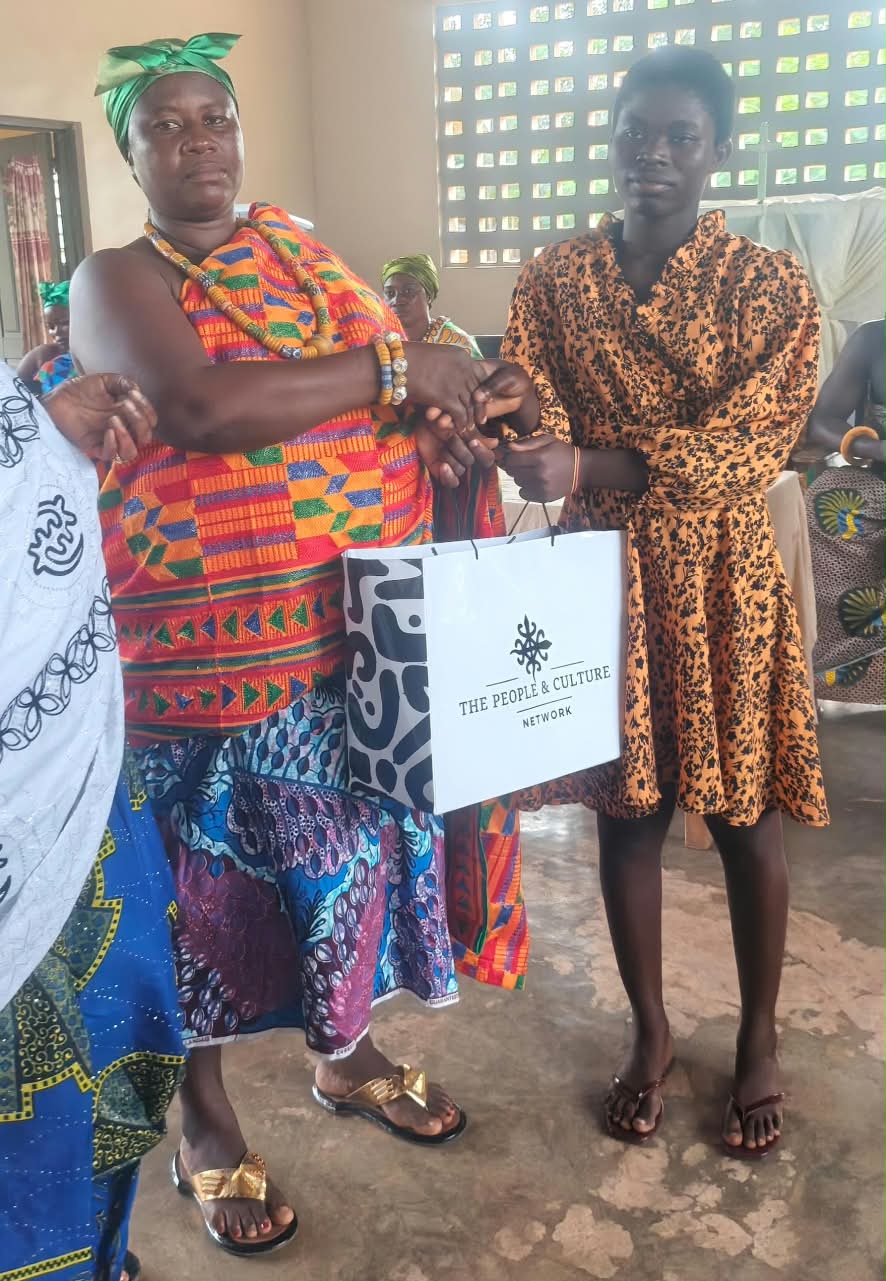
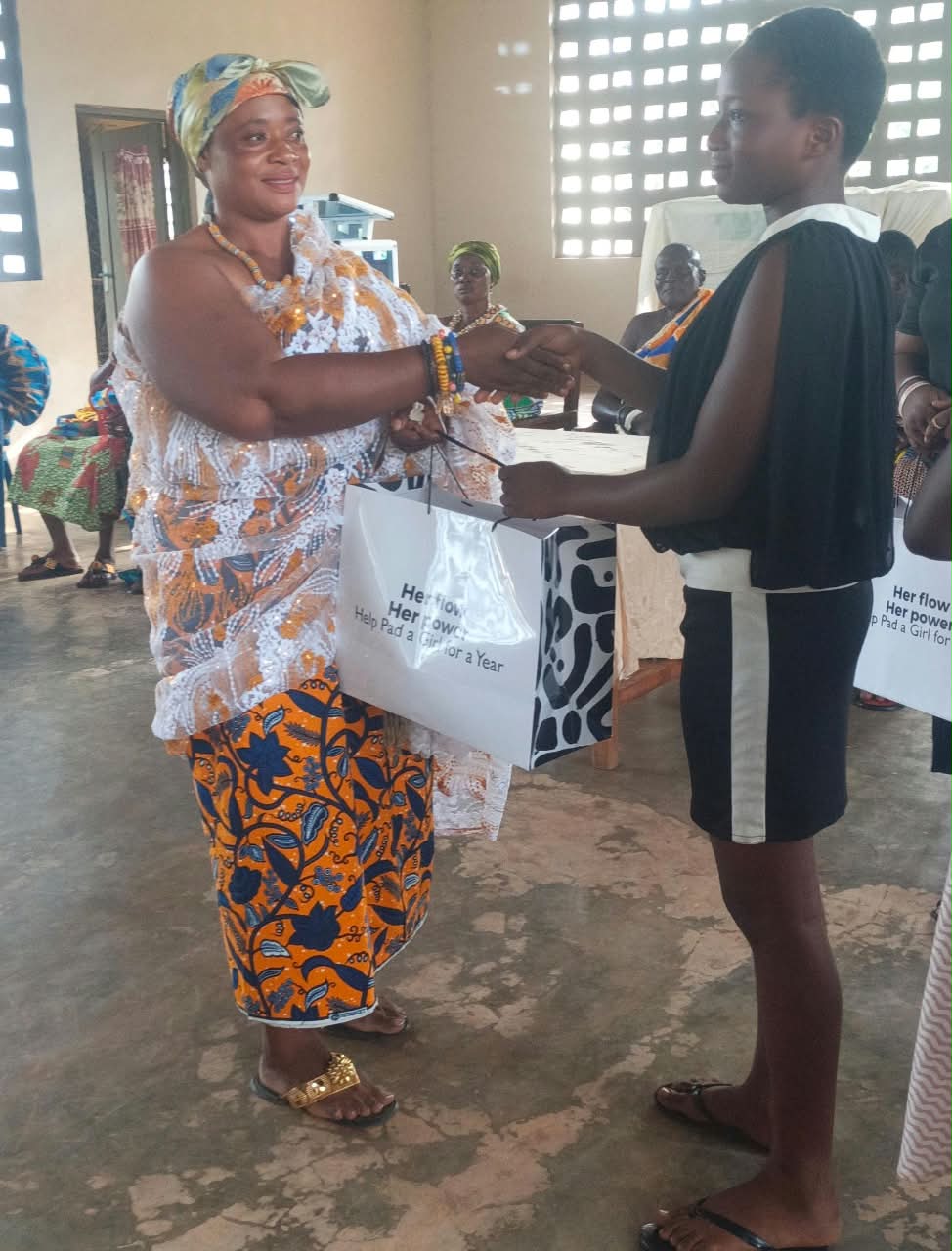
Miss Naasaamu said the intervention would help reduce period poverty and menstrual-related absenteeism, enabling girls to remain in school and concentrate on their education without the burden of having to find money to purchase sanitary products each month.
Investment
She said “Pad a Girl for a Year” was more than a sanitary pad distribution exercise, stressing that it was an investment in the health, dignity, confidence and educational development of adolescent girls.
She identified the broader goals of the initiative as ending period poverty, keeping girls in school, promoting safe menstrual hygiene, building confidence and self-esteem, supporting girls’ educational development and creating communities that understand and support adolescent health.
“One year’s supply can help protect a year of her education,” she said.
Attendance
The Nanketewa outreach was attended by traditional leaders, including chiefs and queen mothers, parents, teachers and pupils of the Roman Catholic Basic School.
Miss Naasaamu expressed appreciation to organisations and individuals whose support had contributed to the success of the initiative.
She acknowledged Unilever Ghana for providing personal hygiene products to complement the one-year supply of sanitary pads, Malta Guinness and Guinness Ghana Breweries PLC for their generous donation, and Sequoia Cosmetics for supporting the initiative.
She also thanked her family and friends for their encouragement, contributions and volunteer support.
“This is more than an outreach. It is a collective investment in the health, dignity, education and future of our young people. Together, we continue to make an impact – one girl, one adolescent, one community at a time,” she said.