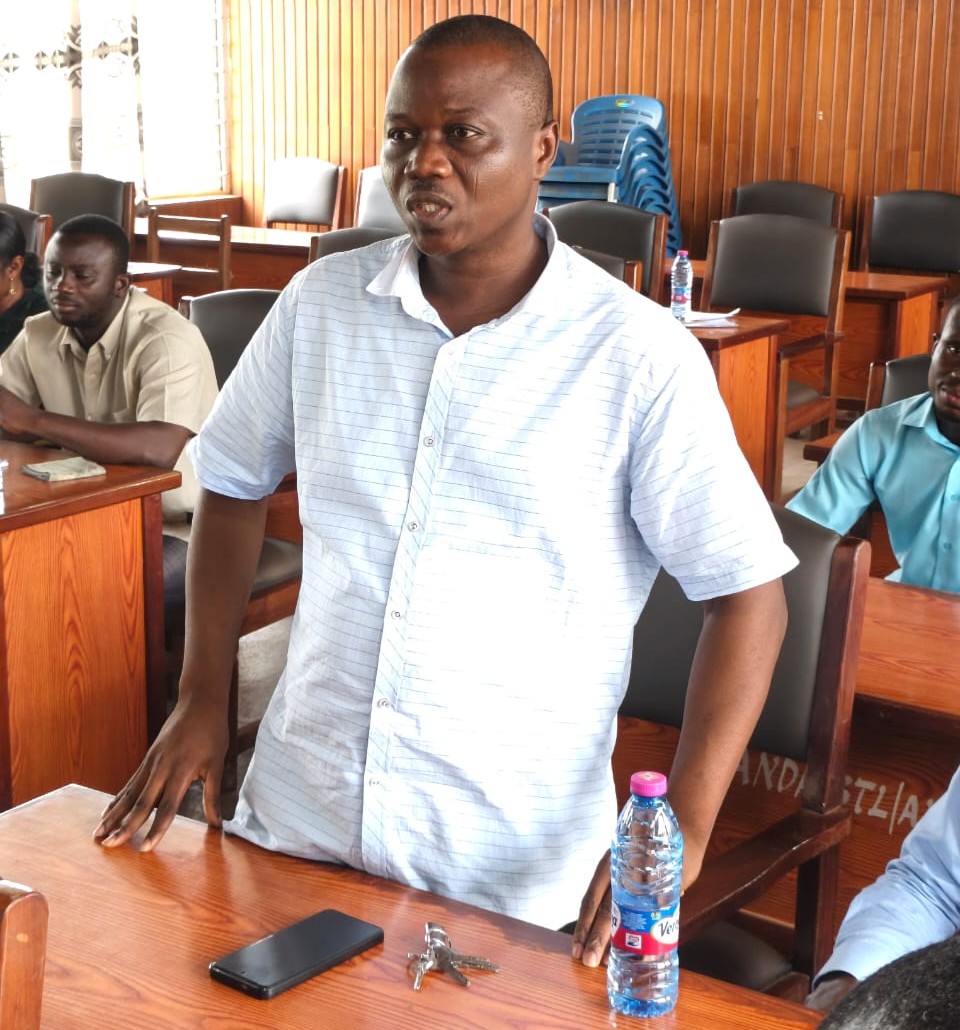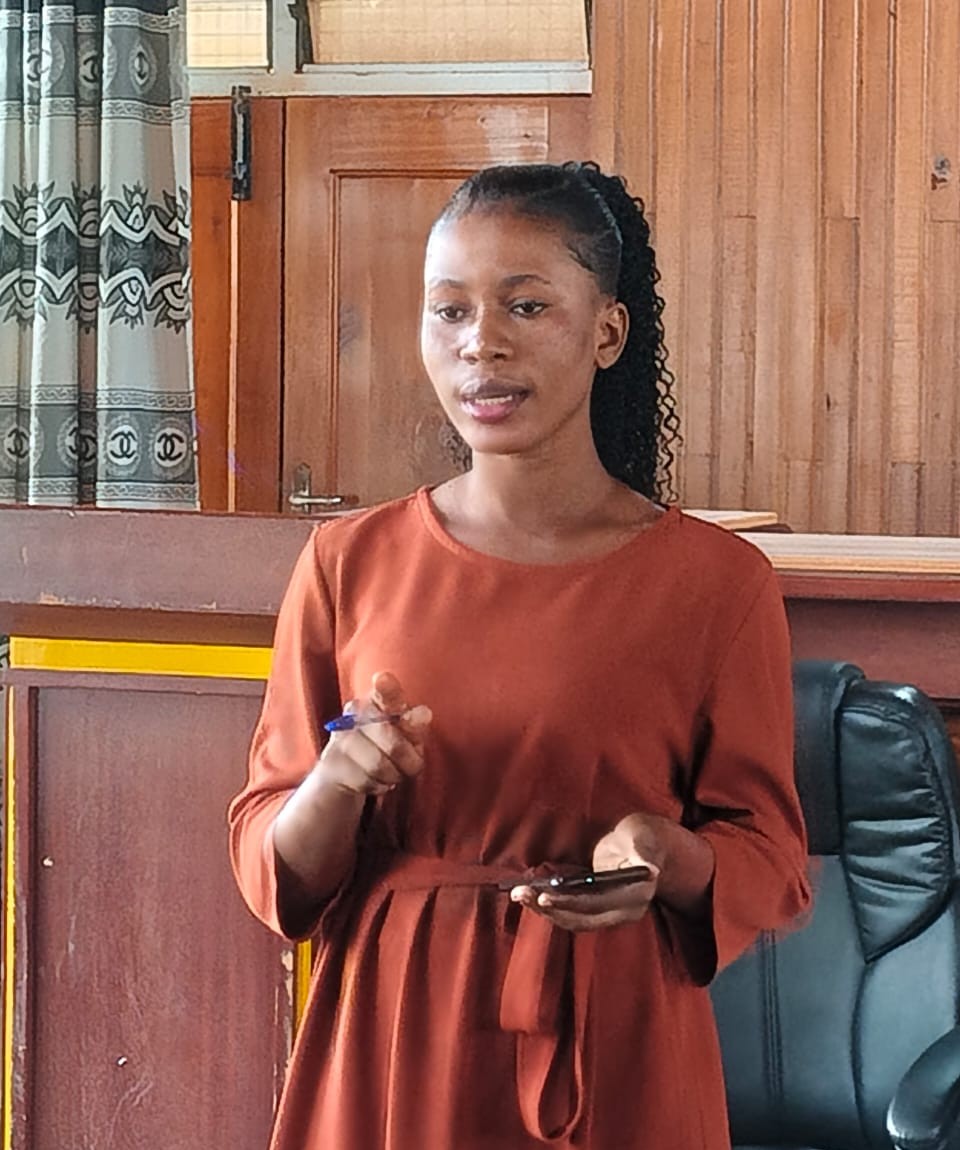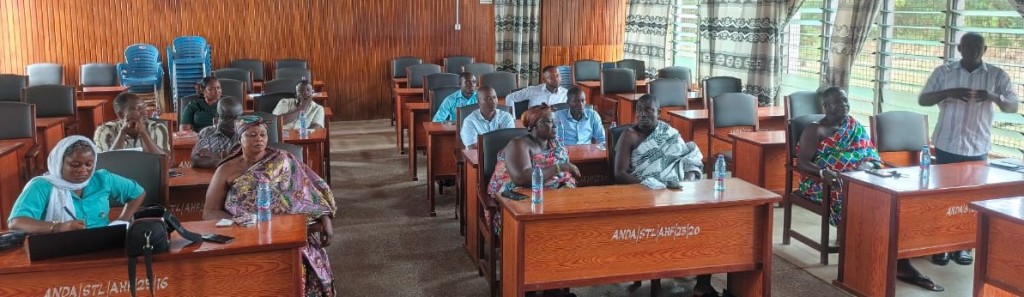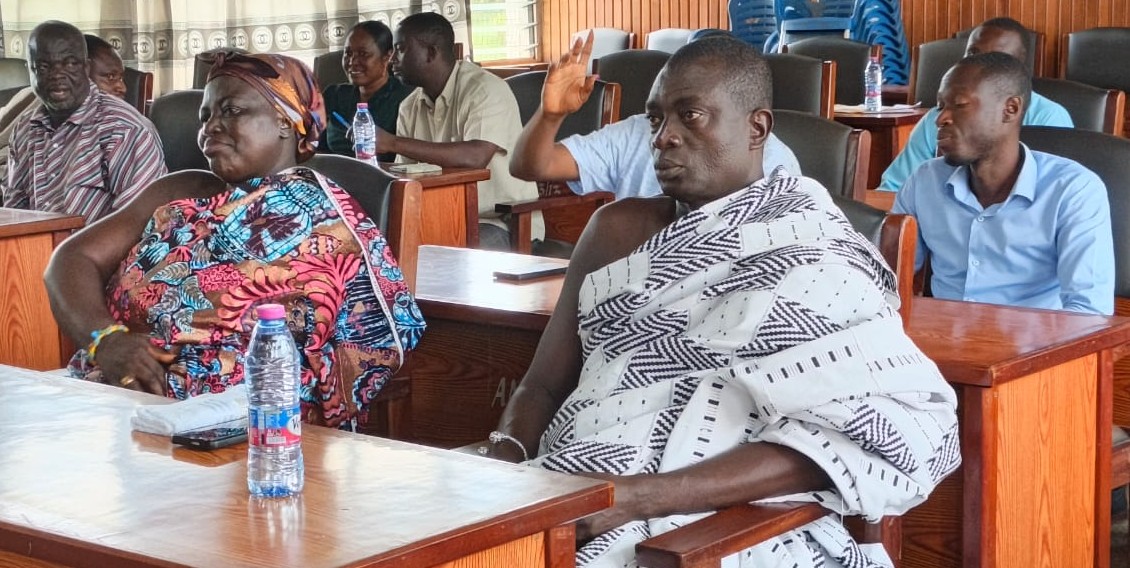
Livelihood for Environment Ghana (LEG), a non-governmental organisation, with support from the STAR Ghana Foundation, has organised a sensitisation programme for staff of the Asutifi North District Assembly, chiefs and queen mothers on the utilisation of the Minerals Development Fund (MDF).
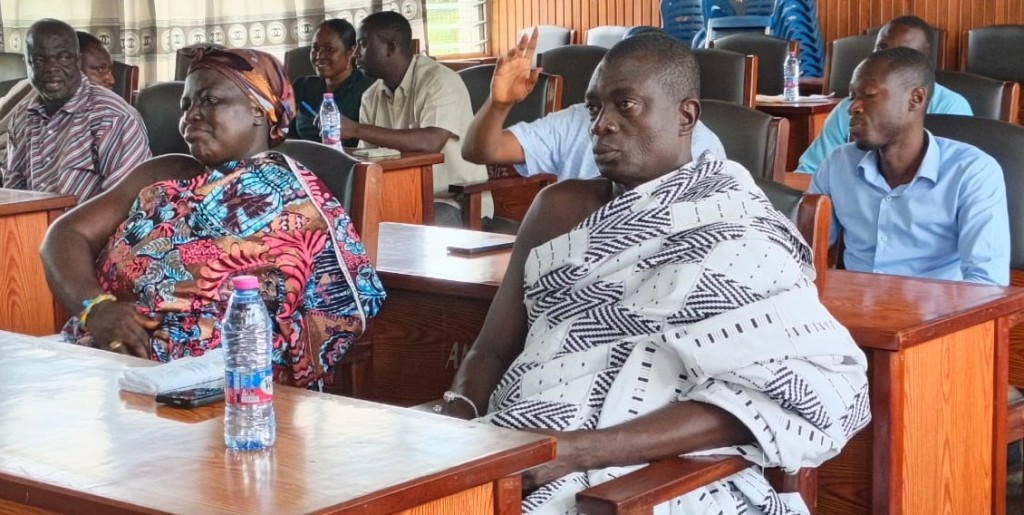
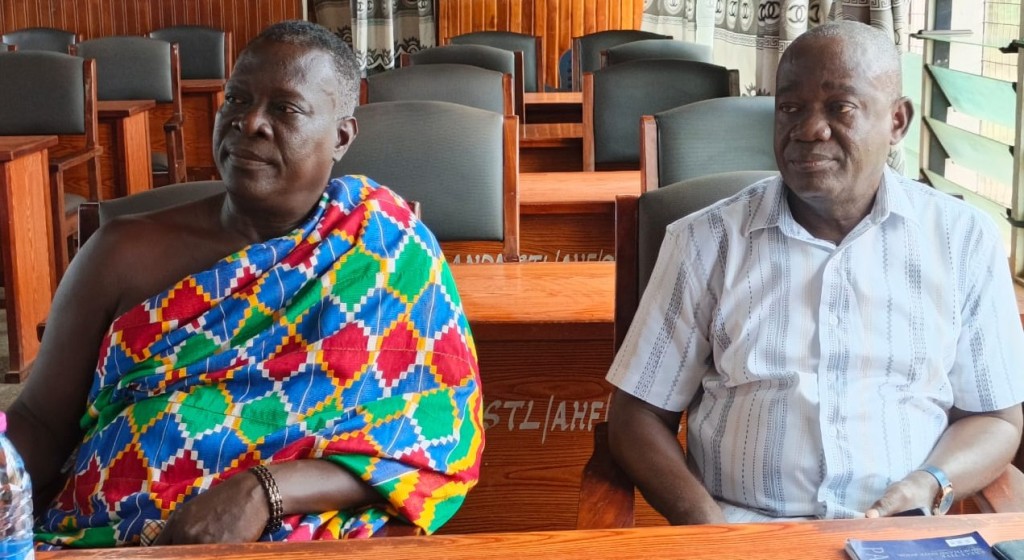
The programme, held at Kenyasi, forms part of a two-year project aimed at strengthening the capacity of mining communities to monitor the utilisation of the MDF and promote accountability in the management of mineral resource revenues.
Speaking at the event, Dr Abdulai Darimani, a Senior Lecturer at the University of Energy and Natural Resources (UENR), explained the government’s formula for the disbursement of mineral revenues.
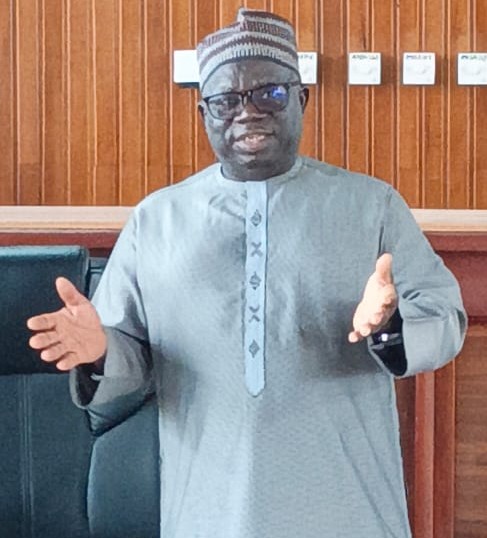
He noted that proposals had been made to amend portions of the allocation framework to enhance transparency and ensure equitable distribution of funds.
A community volunteer, Mr Modom Gyabong, who has been trained to monitor the utilisation of the MDF in the Asutifi North District, outlined a number of development projects undertaken by the District Assembly with support from the fund.
According to him, the projects include the construction of classroom blocks, dormitories, accommodation facilities for teachers and nurses, solar-powered boreholes, lockable market stores, a National Health Insurance Scheme (NHIS) district office, public sanitation facilities and other community infrastructure.
Transparency
During an open forum, participants called for greater transparency in the use of the fund. Some suggested that the estimated cost of every MDF-funded project should be made public, while others proposed that projects financed through the fund should be clearly labelled to indicate their source of funding.
The programme also provided a platform for traditional leaders to express concerns over delays in the payment of mineral royalties to stools and traditional councils.
The chiefs noted that although mining companies make quarterly royalty payments to the government, the corresponding allocations due traditional authorities are often delayed for extended periods.
They expressed dissatisfaction with what they described as irregular and inadequate disbursements, saying that in some cases only small amounts are released after prolonged delays and repeated appeals to the authorities.
The traditional leaders urged the government to ensure the timely release of royalties to enable stools and traditional councils to effectively carry out their development responsibilities within their communities.