For years, many women in Koidu, Kono District, struggled to sustain small businesses with limited capital. Despite their determination, they lacked the financial resources needed to expand their enterprises, increase their incomes, and provide consistently for their families.
Today, that story is changing.
Through the Facilitated Collective Action Process (FCAP), implemented by Advocates for Community Alternatives (ACA) in partnership with the Network Movement for Justice and Development (NMJD), vulnerable women in mining-affected communities are accessing interest-free microloans and practical business training that are transforming not only their livelihoods but also their roles within their households and communities.
The experiences of six beneficiaries reveal a common story of resilience, opportunity and empowerment.
Expanding Businesses, Creating Opportunity
Before joining the programme, Fatmata Fengai operated a small petty trading business with very limited capital. Her earnings allowed her to survive but offered little opportunity for growth.
After receiving an interest-free microloan, she expanded her inventory to include larger quantities of rice, palm oil, onions, sugar, tomato paste and other household commodities. The increase in stock attracted more customers and significantly improved her earnings.
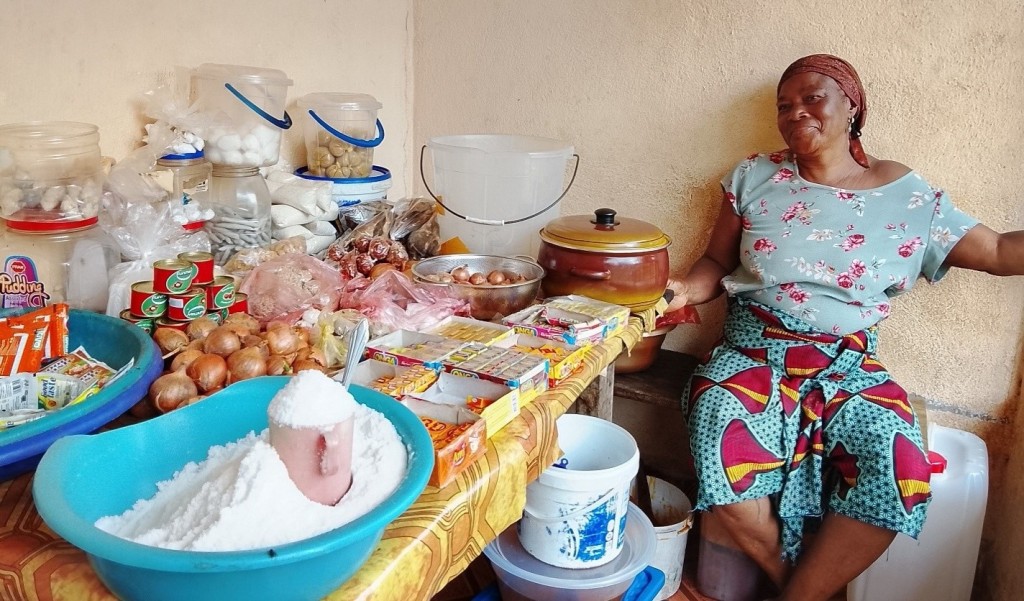
“The loan has helped me grow my business beyond what I thought was possible,” she explained. “Today I can provide for my family, pay school fees, buy food, cover medical expenses, repay my loan every week, save money and still reinvest in my business.”
Like many participants, Fengai credits both the financing and the business management training for helping her build a more sustainable enterprise.
Turning Small Enterprises into Sustainable Livelihoods
Bondu Jimissa’s business also began on a very small scale, selling basic food items in limited quantities. The microloan enabled her to purchase stock in bulk, diversify her products and increase her customer base.
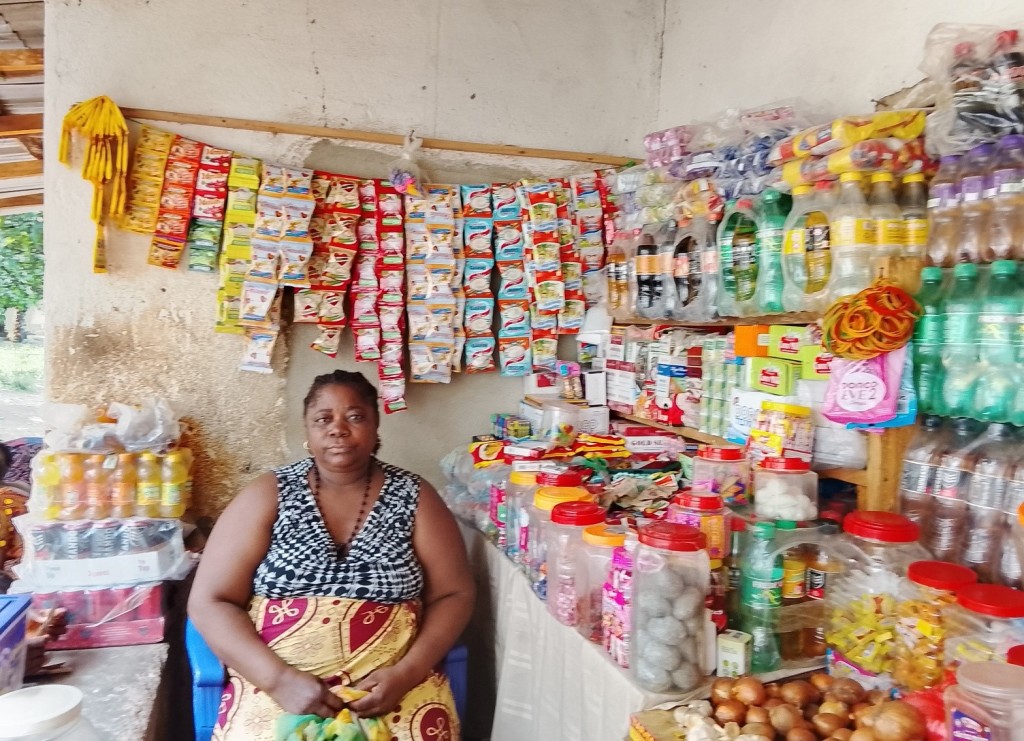
Higher profits have translated directly into improved household welfare.
She now contributes to family expenses including food, education, healthcare and housing alongside her husband.
Beyond the financial gains, Jimissa describes an important improvement in her personal wellbeing.
“The financial pressure I used to experience has reduced greatly because my business is growing,” she said.
Investing in Children’s Futures
For single mother Sia Mabel Ellie, the programme has become a lifeline.
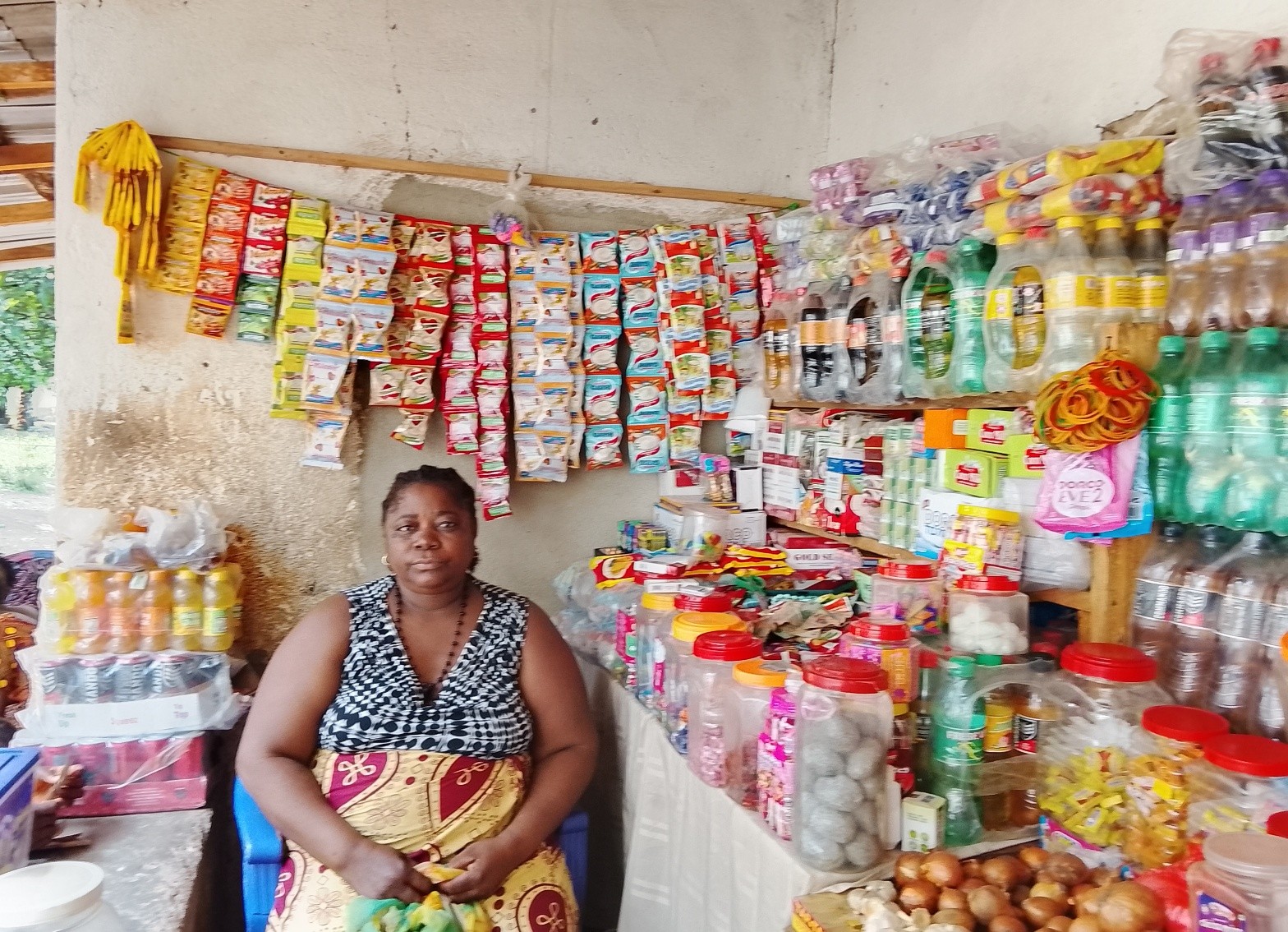
Operating a small retail business before joining FCAP, she lacked sufficient capital to meet customer demand. Following the loan, she expanded her inventory to include beverages, dairy products, bottled water and other fast-moving consumer goods.
As sales increased, her business became large enough for her children and mother to assist with daily operations.
Most importantly, the business now finances the education of two university students, both her children.
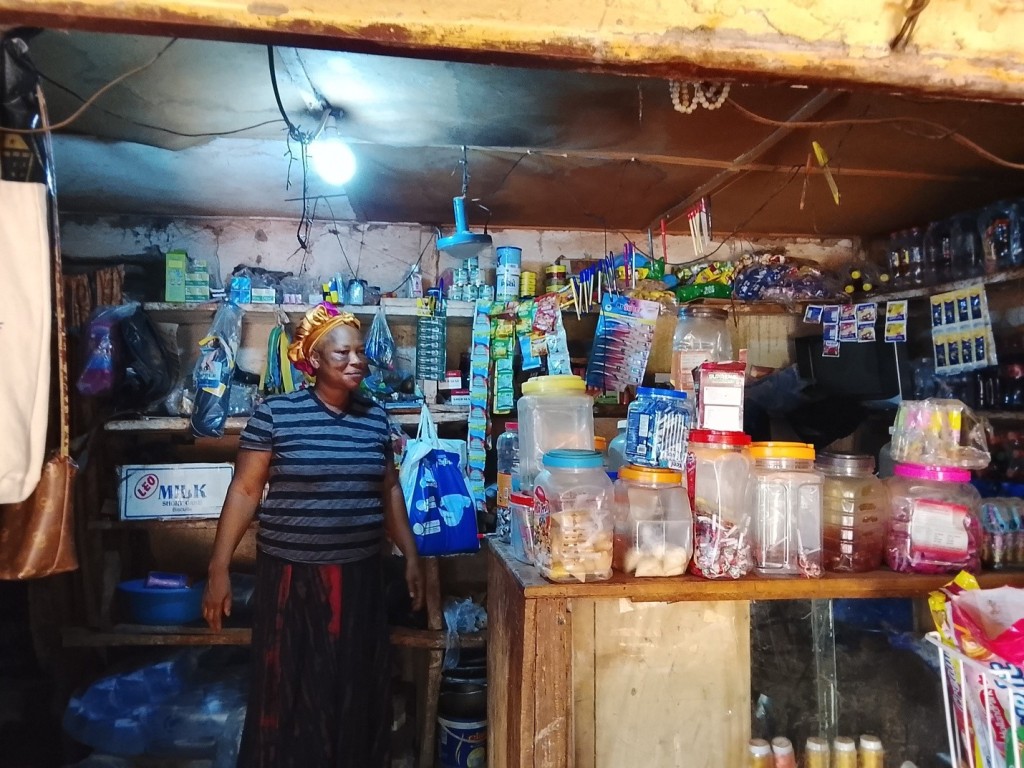
“I am raising my family through this business,” she said. “My children can attend university because of what I earn.”
Her weekly savings have also increased, allowing her to continue investing in the business while meeting household needs.
Building Financial Independence
Sia Augusta Demba has experienced similar progress.
What began as a small trading activity has grown into a business with its own shop, larger inventory and increased customer traffic.
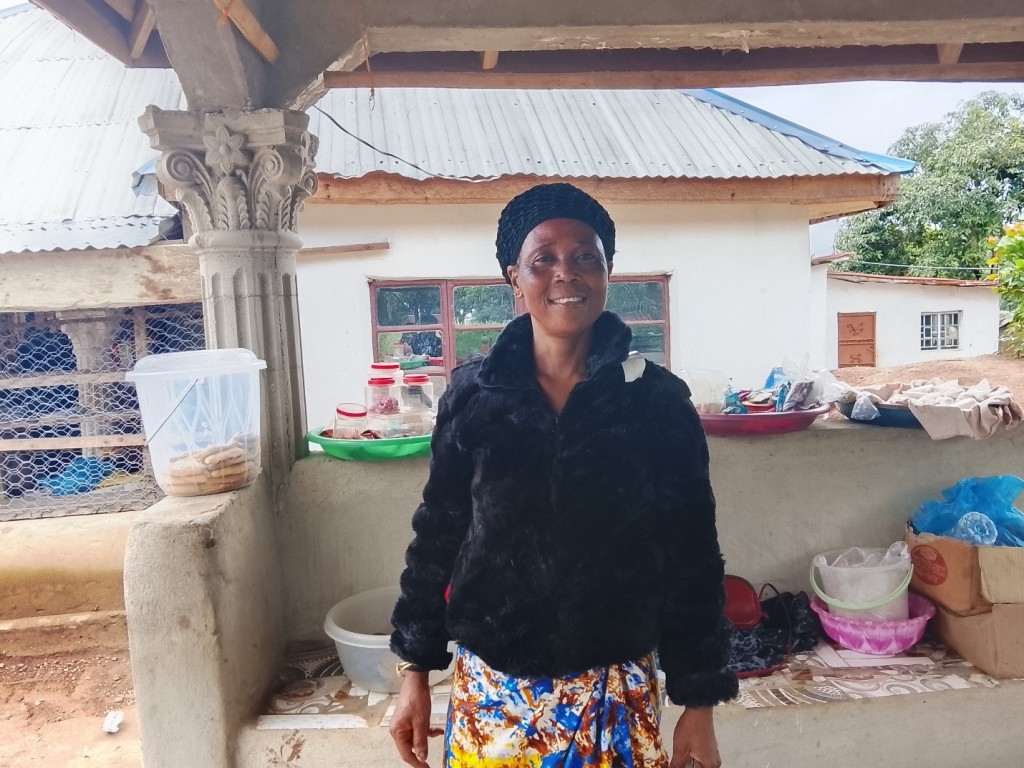
She attributes much of her success to the entrepreneurship training provided through the programme.
“The training taught me how to manage customers, save regularly and grow my business,” she explained.
Today she contributes significantly to family expenses while continuing to save, repay her loan and expand her enterprise.
Women Gaining Confidence and Voice
For many beneficiaries, the programme’s impact extends beyond income generation.
Fatmata Jalloh, who sells ready-made clothing and shoes, says increased earnings have given her greater confidence and financial independence.
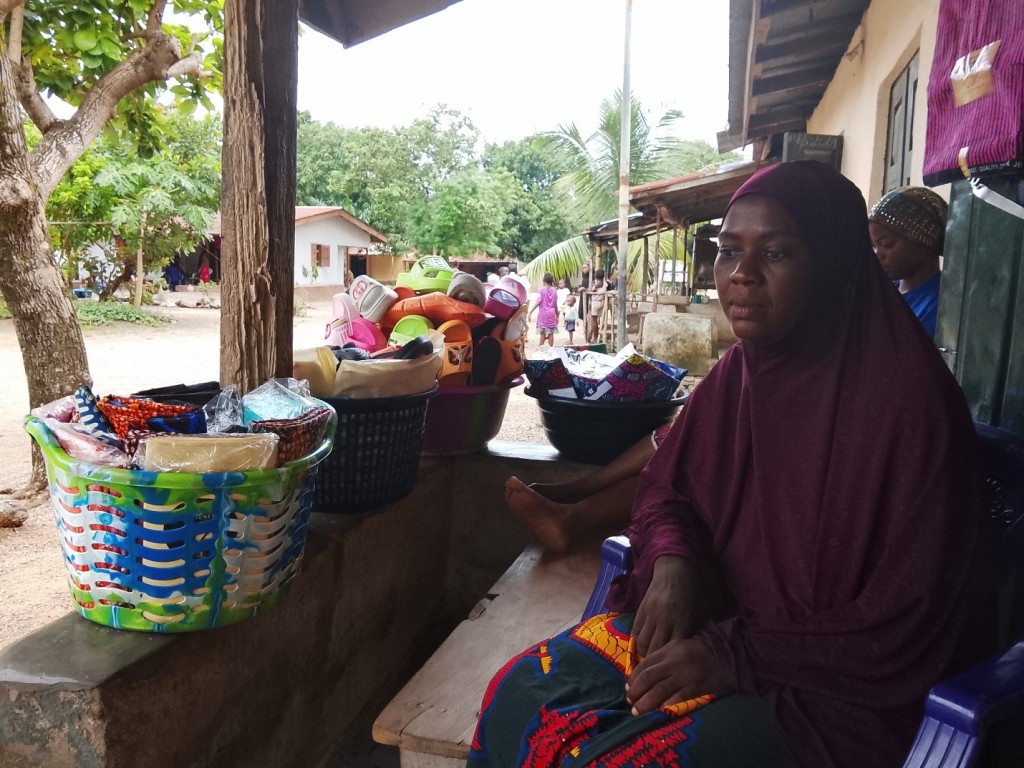
“My children now help me in the business,” she said. “I contribute to the household, support my children’s education and make financial decisions with confidence.”
Fatmata Turay shares a similar experience.
Before joining the programme, she operated a modest petty trading business. The loan enabled her to expand her inventory, open a bank account and establish regular savings.
She says these achievements have changed how she is viewed within her family.
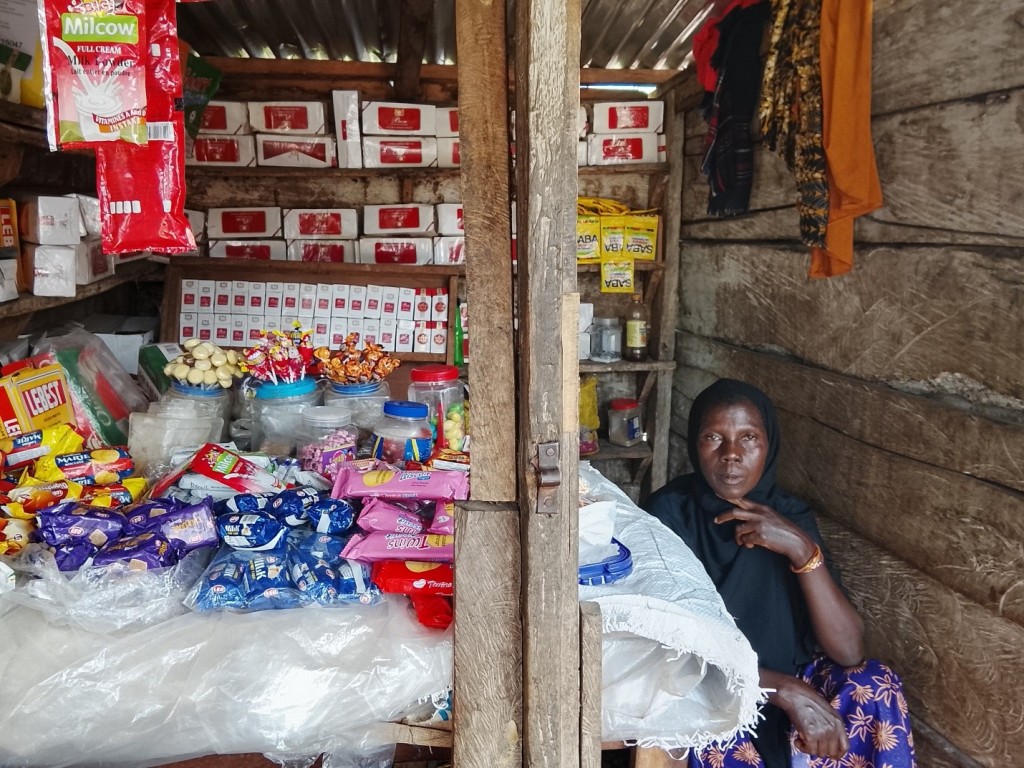
“I now have a voice because I contribute financially,” she explained. “I am involved in important family decisions and feel confident managing my finances.”
Across all testimonies, women consistently reported increased participation in household decision-making as a direct result of their improved economic contribution.
Beyond Finance: Building Knowledge and Confidence
A distinguishing feature of the FCAP microloan initiative is the combination of financial support with practical business development training.
Beneficiaries repeatedly highlighted the value of learning how to manage inventory, serve customers, save consistently, reinvest profits and maintain regular loan repayments.
These skills have strengthened the long-term sustainability of their businesses while building confidence and financial discipline.
Many women also reported opening savings accounts for the first time and establishing regular savings habits, an important milestone toward long-term financial resilience.
Challenges Remain
While celebrating their progress, beneficiaries identified rising inflation as the most significant challenge affecting their businesses.
Frequent increases in commodity prices reduce purchasing power, making it difficult to maintain stock levels and profit margins despite careful financial planning.
Many also expressed a desire for continued mentorship and refresher business training after completing the loan cycle to help them adapt to changing market conditions and sustain business growth.
A Model for Women’s Economic Empowerment
The stories emerging from Koidu demonstrate that access to affordable finance—combined with practical entrepreneurship training, can deliver far-reaching results for women living in mining-affected communities.
The programme has enabled beneficiaries to:
- Expand and diversify their businesses.
- Increase household incomes and food security.
- Pay school fees, including university education for their children.
- Meet healthcare and housing expenses.
- Establish regular savings and financial management practices.
- Build confidence and financial independence.
- Strengthen women’s participation in household and community decision-making.
For these women, the microloan was more than financial assistance. It represented an opportunity to transform determination into sustainable livelihoods and to become stronger economic partners within their families.
Their experiences demonstrate that when women are equipped with capital, knowledge and continued support, the benefits extend far beyond individual businesses, creating lasting improvements in household wellbeing, children’s education, community resilience and women’s empowerment.
As beneficiaries look to the future, they hope that programmes such as FCAP will continue to reach more women in mining-affected communities, ensuring that many more families can build secure and dignified livelihoods through enterprise.