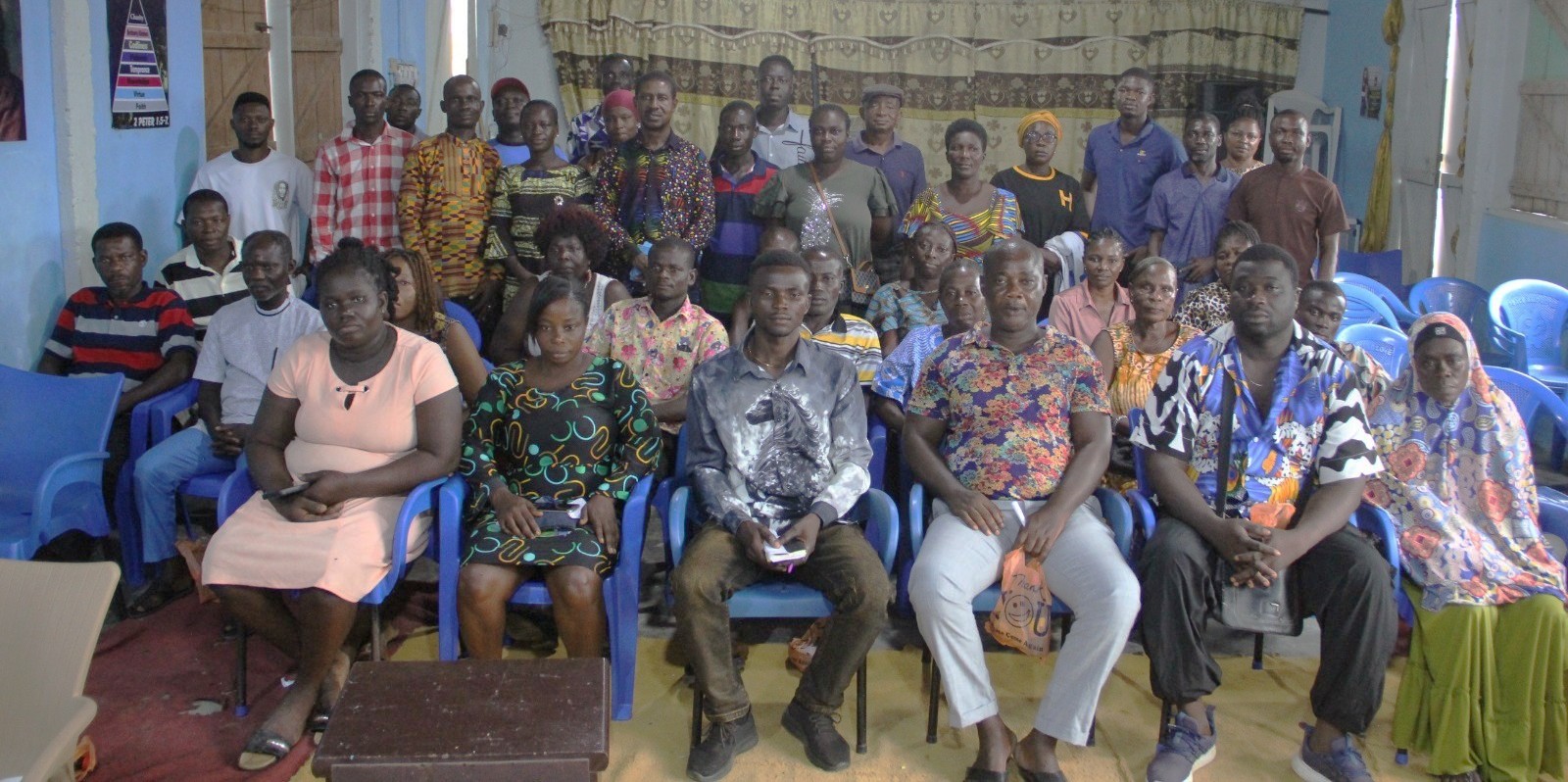
Residents and property owners affected by the Atlantic Lithium Project in Ewoyaa have been equipped with vital knowledge on Ghana’s mining laws, compensation regimes, and community rights through a capacity-building and training programme organized by the Advocacy for Gender, Environment and Social Support (AGESS) in collaboration with Livelihood & Environment Ghana (LEG) and Concerned Ewoyaa Lithium Affected People (CELAP).
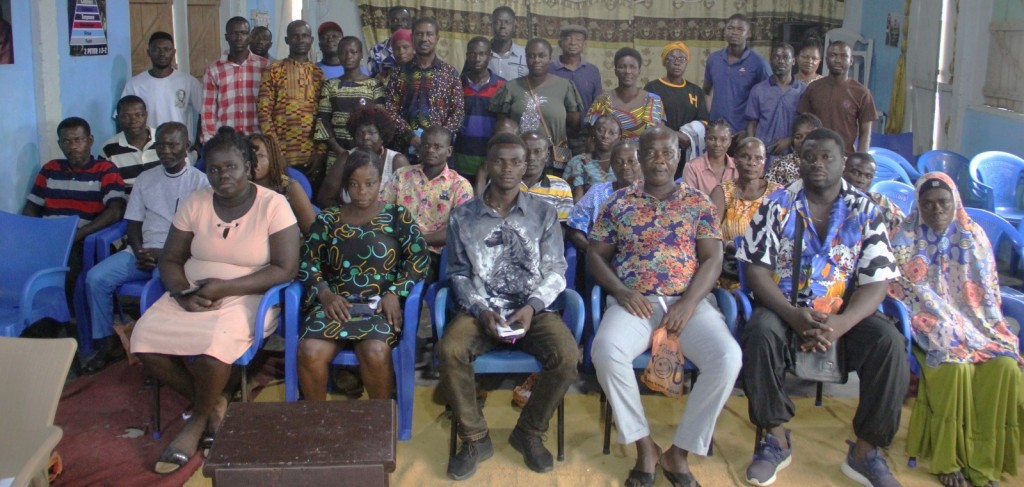
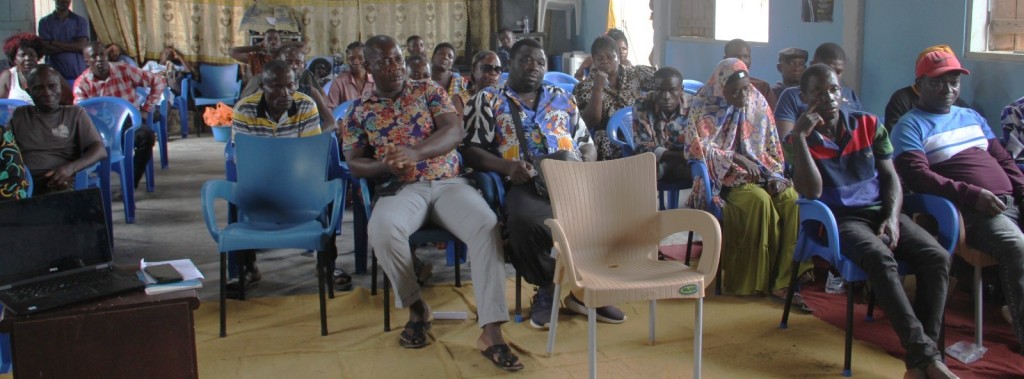
The training, held in Mankessim under the theme “Strengthening Citizens’ Voice for Equitable Access to Benefits and Relevant Services,” brought together community members from Ewoyaa, Abonko, Krofu, Krampakrom, Mankessim and Anokyi, all of whom fall within the mining declaration area of the Ewoyaa Lithium Project being undertaken by Atlantic Lithium and its subsidiary, Barari DV Limited.
CELAP is a grassroots advocacy group established by residents, farmers, landowners and property owners directly impacted by the project. The organization serves as a united platform advocating for the rights and welfare of Project Affected Persons (PAPs), ensuring that they receive fair, transparent, prompt and adequate compensation for their losses. The group currently has over 200 active members representing the interests of more than 2,000 affected individuals across the Mfantseman Municipality. Whereas AGESS is women-led environmental and social not-for-profit and non-governmental organization established in 2015 to promote the social well-being of rural and marginalized women, women’s rights and environmental justice.
Empowerment
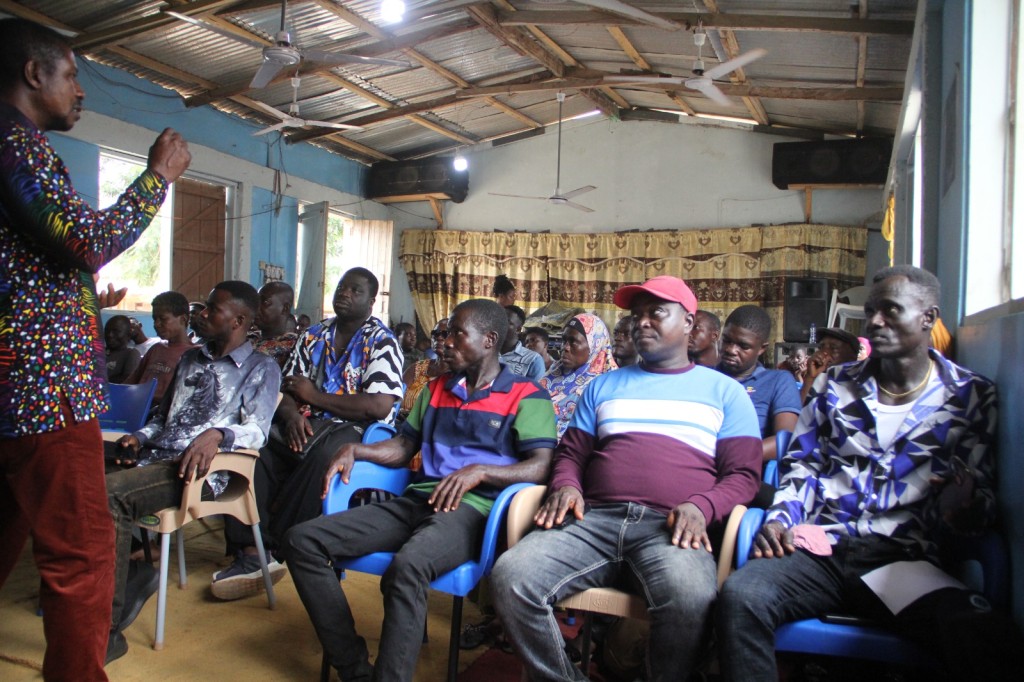
Delivering the main presentation, the Executive Director of Livelihood and Environment Ghana (LEG), Mr. Richard Adjei-Poku, highlighted the importance of empowering communities with knowledge about Ghana’s mineral governance framework to enable them to effectively engage mining companies and government institutions.
Mr. Adjei-Poku noted that Ghana is richly endowed with mineral resources including gold, bauxite, iron ore, manganese, diamonds, lithium, oil and several industrial minerals such as limestone, brown clay, silica sand, quartz and salt. He explained that gold production in Ghana increased significantly from 4.63 million ounces in 2014 to 8.74 million ounces in 2022, making Ghana the largest gold producer in Africa and the sixth-largest producer globally.
He emphasized that ownership of all mineral resources in Ghana is vested in the State, citing Article 257(6) of the 1992 Constitution, which states that every mineral found in, under or upon any land, as well as those in Ghana’s territorial waters and continental shelf, belongs to the Republic and is held in trust by the President on behalf of the people. Similar provisions are contained in the 1962 Constitution, PNDC Law 153 of 1986 and the Minerals and Mining Act, 2006 (Act 703).
According to him, while mining contributes significantly to national development, it also comes with substantial environmental, social and economic challenges. These include habitat destruction, deforestation, soil erosion, water and air pollution, loss of livelihoods, social conflicts and serious health concerns such as silicosis, black lung disease, cancer, hypertension, skin disorders, tuberculosis, malaria and HIV/AIDS. He further warned that many environmental and economic consequences of mining can persist long after mine closure.
Right and obligations
Mr. Adjei-Poku took participants through the rights and obligations of government and affected communities under Ghana’s mining laws. He explained that government has the authority to compulsorily acquire land for public purposes, grant mineral rights, revoke mining licences and prosecute offenders under relevant constitutional and statutory provisions.
On the rights of affected communities, he stressed that residents retain rights to the surface of their lands, are entitled to personal engagement during compensation processes, and have the right to fair and adequate compensation for immovable properties affected by mining activities. He added that communities are also entitled to improved resettlement packages where displacement becomes necessary.
However, he pointed out that affected persons cannot undertake mining activities on their own lands, obstruct legally approved mining operations, export minerals such as gold without authorization, or revoke mining licences granted by the State.
Compensation
Addressing compensation concerns, Mr. Adjei-Poku urged affected persons to become well-informed about the value of their farms, crops and properties. He encouraged communities to insist on proper crop surveys conducted in their presence, maintain photographic evidence of their properties before mining activities commence, and seek the services of qualified professionals or approved representatives during negotiations.
He outlined key principles for determining adequate compensation under the Minerals and Mining Act, including disturbance costs, deprivation of land use, loss of earnings, loss of expected income, and the productive lifespan of affected crops. He also advised participants to draw lessons from compensation arrangements in other mining communities while taking into account broader economic realities.
On resettlement, he stressed that Ghana’s laws require displaced persons to be resettled on suitable alternative lands with due regard to their economic well-being and social and cultural values. He emphasized that mining operations should not commence in areas where residents are yet to be resettled, as provided under Legislative Instrument (L.I.) 2175.
Participants expressed appreciation for the training, describing it as timely and empowering. They noted that a better understanding of mining laws and their legal rights would strengthen their ability to engage stakeholders constructively and advocate for fair treatment throughout the implementation of the Ewoyaa Lithium Project.
Commendation
Ms. Esther Owusu Achiaa leader of AGESS thanked Global Greengrants Fund (GGF) for providing financial support and reaffirmed their commitment to continuing partner with like-minded groups in the community education and advocacy efforts aimed at ensuring that affected persons receive equitable benefits, adequate compensation and relevant services as mining activities expand within the municipality.
The programme formed part of AGESS’s broader efforts to amplify the voices of affected communities including Abosso community and promote transparency, accountability and social justice in Ghana’s emerging lithium and mining sector.