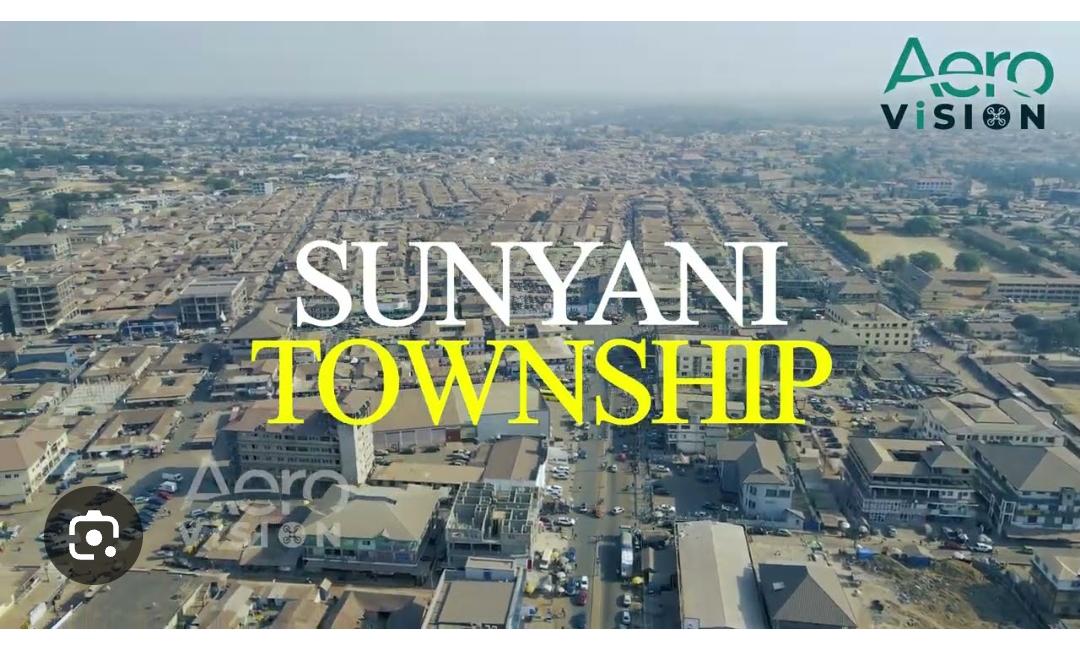
Sunyani, the capital of the Bono Region, has long been celebrated as one of Ghana’s most serene and well-planned cities. Known for its greenery, calm atmosphere, and strategic importance as a gateway to the middle and northern belts of the country, it once enjoyed a reputation as a model regional capital. Today, however, a growing chorus of residents is raising a different narrative – one that paints Sunyani as the epicenter of uncompleted projects.
Across the municipality, a pattern has emerged: major infrastructure initiatives are launched with fanfare, only to stall midway, sometimes for years, leaving behind a trail of frustration, economic disruption, and declining public trust. From critical highways to inner-city roads and newly announced flagship projects, the story appears to be one of ambition repeatedly interrupted.
New Dormaa road
At the heart of this concern lies the long-standing New Dormaa road project. Initiated during the administration of the late President John Evans Atta-Mills, the project was expected to transform connectivity between Sunyani and key northern corridors, including Wenchi, Techiman, and Tamale. However, what was envisioned as a major infrastructural upgrade quickly became a symbol of neglect. For years, residents endured thick dust, dangerous driving conditions, and frequent accidents, some of which tragically resulted in loss of life.
Despite repeated assurances from successive governments, progress remained slow and inconsistent. Portions of the road were asphalted ahead of high-profile visits, creating brief moments of relief and renewed hope. Yet, large stretches, particularly through communities such as Kotokrom and Yawhima, remained incomplete for extended periods. Although significant portions were eventually tarred close to an election cycle, the durability of the work has since come into question. Less than two years later, potholes have resurfaced across the road, once again making travel hazardous and undermining confidence in the quality of execution.
Berlin top – Baakoniaba road
A similar story unfolds with the Berlin Top – Baakoniaba road. Reconstruction efforts began around 2015, with partial progress made before work came to a halt following a change in government. Residents were later informed that the contractor had passed away, necessitating a re-awarding of the contract. While this explanation initially provided some clarity, the subsequent years have been marked by uncertainty.
The project was later absorbed into a broader infrastructure initiative funded under the Sinohydro agreement, raising hopes for completion. Indeed, when new contractors mobilized, work resumed at an impressive pace, extending the road through Asufufu to the Polytechnic roundabout. However, the outbreak of the COVID-19 pandemic disrupted operations, and since then, the site has remained largely abandoned. Despite recent political promises to revive the project, skepticism runs deep among residents who have heard similar commitments in the past.
Inner city roads
Beyond these major arterial roads, the condition of inner-city roads presents an equally troubling picture. Many suburbs within Sunyani, including Alaska, Berko, Penkwase, and Berlin Top, are characterized by poorly maintained and often unmotorable roads. These conditions not only inconvenience residents but also hinder economic activity, increase vehicle maintenance costs, and pose safety risks. For a regional capital, such widespread deterioration raises serious questions about urban planning priorities and maintenance culture.
What makes the situation even more perplexing to residents is the continuous awarding of new projects while existing ones remain incomplete. This trend has fueled concerns about project prioritization and resource allocation, with many questioning whether political visibility is being placed above practical completion.
Sunyani – Abesim road
Among the newer projects is the Sunyani–Abesim road dualization, a potentially transformative initiative aimed at easing traffic congestion along a critical stretch of the Sunyani–Kumasi route. Initial works, including the demolition of roadside structures, created both anticipation and disruption. However, months after these early activities, the absence of contractors on site has left residents and business owners in limbo. The incomplete state of the project has not only stalled expected benefits but also negatively impacted livelihoods, as traders struggle with reduced accessibility and uncertainty.
Outer ring road
The proposed outer ring road presents another ambitious vision. Designed as a dual carriage bypass encircling Sunyani, the project aims to divert through-traffic away from the congested central business district, improving mobility for commuters traveling between major entry points such as Kumasi, Techiman, Berekum, and Kenyasi. While the project initially saw visible activity, progress has since slowed significantly. The reduced pace of work has raised doubts about whether the project can be completed within the current administration’s tenure, despite its potential to significantly reshape urban transport in the city.
24-hour economy market
Adding to the mix is the proposed 24-hour economy market, a flagship initiative intended to modernize Sunyani’s commercial infrastructure and align with broader economic transformation goals. While the concept has been widely acknowledged as laudable, concerns persist regarding its implementation. Chief among these is the proposed demolition of the existing central market near the taxi rank, a move that would displace a large number of traders.
For many of these traders, the market is not just a place of business but a primary source of livelihood. The absence of clear plans for temporary relocation has heightened anxiety, with fears that prolonged construction delays, based on past experiences, could lead to significant economic hardship. Without a well-structured transition plan, even a well-intentioned project risks exacerbating existing frustrations.
Conclusion
Taken together, these projects highlight a broader issue that extends beyond individual contracts or administrations. They point to systemic challenges in project continuity, funding consistency, contractor management, and long-term planning. For residents, the cumulative effect is a growing sense of uncertainty and diminished trust in public infrastructure delivery.
Sunyani stands at a critical juncture. Its strategic importance, growing population, and economic potential make infrastructure development not just desirable but essential. Yet, the current trajectory threatens to undermine these prospects. Completing ongoing projects, maintaining existing infrastructure, and ensuring accountability in execution are not merely technical requirements – they are fundamental to restoring public confidence.
As the city looks toward the future, the pressing question remains: will Sunyani break free from the cycle of uncompleted projects, or will it continue to serve as a cautionary tale of unrealized potential? For now, residents can only wait – and hope that this time, promises will translate into lasting results.
(The writer is a Media/Public Relations Practitioner)